
Let’s Use Long Lane
Since 2004, students have been traveling down the road to Long Lane Farm to learn how to cultivate organic crops, according to an article published in last Friday’s issue of The Argus. This is more than a harmonious relationship, however; in fact, the University owns the entire property.
We therefore share the frustration expressed by students in the article, who regret that the University has not utilized this investment more effectively.
One way in which the University could accomplish this is by establishing University-sponsored courses. Not only could students learn about farming through WesWell courses, but there is also clear potential for overlap between the curricula of environmental studies courses and student-run programs at Long Lane Farm. In addition, such classes at Long Lane could eventually be included in the Service Learning course cluster, seeing as the group is already involved in hunger and sustainability issues in Middletown.
Even if the administration is unwilling to bring Long Lane Farm into the academic fold officially, the least it could do is take advantage of its proximity to the University by offering official trips to the farm at events such as orientation week and WesFest, and by promoting the groups’ efforts on the University website and other official channels.
Not only would increased awareness of Long Lane Farm encourage more students to work with the club, but this publicity might also catch the attention of alumni and prospective students interested in hunger and sustainability issues, or simply curious about the food they eat.
If the University really strives to expand its sustainability efforts and bolster the recently unveiled College of the Environment, it should not only provide administrative support for the farm, but should also better incorporate Long Lane into academic and social life on campus.



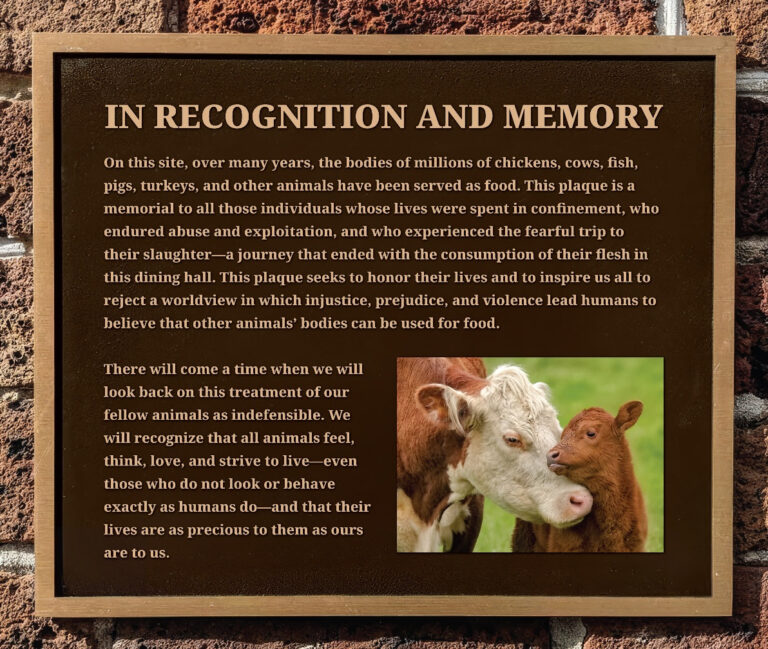
I vote they get a cow and some chickens! That would 100% no doubt legitimize this farm business.
Interesting!
I have a 100 acre farm in SW Ontario.
I am looking to change the farm’s name from BrigadoonFarm to LongLane Learning Farm.
(The locals call this place “the Old Curtis Farm, the one with the long lane”)
I supply organic hay to the organic beef farm across the road.
I provide families with children with exceptional needs (autism, downs syndrome, emotional concerns, etc) respite care.
Can horses ever teach! Can these children ever teach me!
Ever interesting the similarities.
I vote your farm gets a cow and chickens too.
Respectfully
Cathy D.