
Overconsumption Has Ruined Collecting
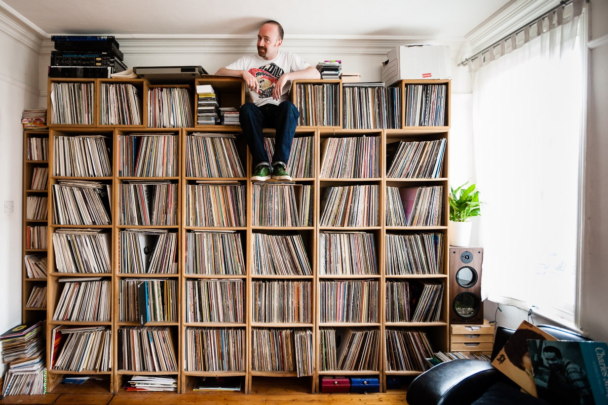
It’s no coincidence that the decline in collecting as a hobby corresponds with the decline in the consumption of physical media. Gone are the days where you needed to own a stack of DVDs or VCRs to watch a movie; now you can just turn on Netflix or HBO Max. Even movie theaters are disappearing—RIP Metro Movies—as they can no longer compete with streaming services. Vinyls and CDs are no longer necessary to listen to music when Spotify and Apple Music are a tap away. Why purchase a stamp to send a letter when you can just send a text message or an email? In lieu of owning a few physical books or visiting your local library, you can instead purchase a Kindle, which can store hundreds.
While I concede that life has become more convenient in certain aspects, as we turn to digitizing our media consumption; I argue that we lose something along the way. Our once treasured collections, which took years to build, are replaced with the digitization of reading, writing, and listening. And it doesn’t stop. You don’t even need to actually make the playlists that you listen to, only to ask the helpful AI bot who tracks your listening patterns to make one for you.
Moreover, digitization as a means of convenience means nothing when we overconsume in other parts of our lives. Take water bottles—at first, it was all the rage to own a Hydro Flask, and people didn’t just stop at owning one. They felt the need to own a rainbow of colors; a variety of options. Then came the Stanley Cups, and most recently, the Owalas. There’s a whole subsection of videos on social media dedicated to influencers deciding which Stanley Cup in particular they might choose to use that day.
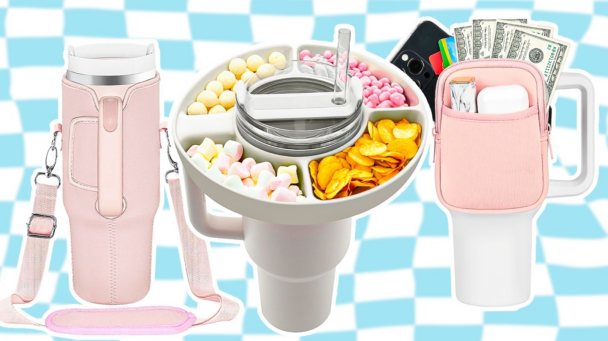
It’s often the case that they aren’t just choosing the cup itself, but what accessories to deck it out with. You can purchase miniature pouches to attach to your Stanley Cup, or even snack trays that attach to the top. Suddenly, overconsumption isn’t just about the item itself, but all the things that you can add to “maximize” the use of the item. Honestly, it’s obscene. I truly don’t believe there is a world where one needs to accessorize their water bottle in such a manner. Everything that you buy to add to your Stanley is probably similar to something you own anyway. Moreover, it isn’t even replacing anything substantial; the attachments that you can buy for the Stanley Cup don’t hold a significant amount of anything, whether it be the snack tray or the pouches. These accessories become signifiers. By owning these items, you signal that not only can you afford to own the trend, you can afford to own the useless crap that exists only because of the trend.
So maybe the problem isn’t that we’ve stopped collecting things, it’s that we’re collecting the wrong things. The beauty in acquiring books or vinyls is that each one contains different content. When you buy multiple water bottles, you’re buying multiple versions of an item that has the exact same function, just in a different color or a slightly different style. It’s not a true form of collecting; it’s acquisition.
But we run into another problem. Like purchasing Stanley Cups, acquiring analog styles of media has become a trend. There’s a lack of intention when one purchases vinyl or CDs because it’s trendy. The signifier evolves. Now, when you acquire these things, you signify that you can afford to own a lot of them at once—again, you can afford to own the trend. The way to mitigate this, I argue, is through intentionality. Collecting used to be about the search for the item that would complete your desired accumulation. It wasn’t about blindly buying the most amount of things to show that you have a collection or that you are actively collecting. It was about your own internal desire to build a deliberate assortment of things, whether they be stamps, magnets, or even Cabbage Patch dolls.
Two of the best lessons that collecting can teach you are that of patience and loving the search. Finding the next addition to your collection is supposed to take time and effort. Sometimes you have to spend a bit more time searching for your next collectible, and that’s supposed to be part of the fun. Even though you can buy a completed magnet collection off of Amazon, should you? Doesn’t that defeat the whole point?
Julia Podgorski is a member of the class of 2028 and can be reached at jpodgorski@wesleyan.edu.




Leave a Reply