
Constructively Supporting the Price of Carbon
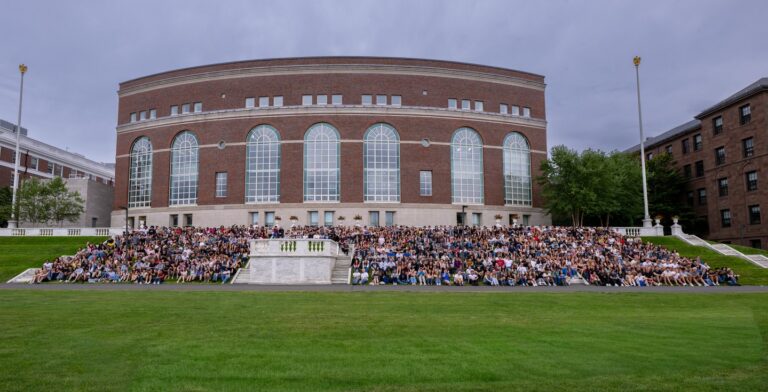
This weekend’s Pricing Carbon Conference could signify a much-needed change of leadership in the American mainstream climate movement. As its host, Wesleyan students should welcome and support it. In part that means learning how we can work to promote its goals. It also means that we must remain watchful that this new coalition does not fall for the same traps that the old guard did.
First, those looking to positively affect the planet must not stand with polluters over people. It’s great that some politicians and the Future 500 are going to be in attendance, but if the new coalition wants to avoid the pitfalls of the Climate Action Partnership they must keep some of their allies at arm’s length. A policy slideshow on the Future 500’s website proposes a pre-emption of the EPA’s authority, corporate tax breaks and other nasty provisions to win corporate support for a carbon tax. We’ll see how their workshop on “Building Republican Support for a Price on Carbon” materializes, but let’s hope it doesn’t mean surrendering our fleet before we even battle.
Second, they must not forget the science. Posters around campus bill Wesleyan Professor Gary Yohe, as a feature attraction of the conference. While Yohe has produced much renowned work, he doesn’t seem to quite grasp the science behind the crucial 350-parts-per-million target (or the human rights and plain common sense behind it). He even told my class last semester that a sensible target might be 550 parts per million! If our price on carbon isn’t high enough, and if it isn’t complemented with other appropriately far-reaching strategies, then we’ll still have a dead planet. When Bill McKibben and the progressive wing of this new coalition speak the truth about topics like economic growth, we must make sure that the conservative wing doesn’t hold them back.
Third, the new coalition must not neglect frontline communities. Frontline communities are those struggling against the impacts and root causes of climate change as well as false solutions foisted on them. It is inspiring that the organizers reject the carbon “offsets” strategy that frontline communities have strongly opposed. And it is promising that two panels focus largely on environmental justice concerns. But I hope that the conference concludes with a plan that truly empowers grassroots organizing before Beltway advocacy. During the discussion on Sunday about the future of the movement, we should be clear that our struggle should be led not be those who caused the problem but by those who are already resisting it.
Finally, the new coalition must not lose sight of the systemic solutions we need. As the Climate Justice Web outside Weshop demonstrates, the fossil fuel economy is a symptom of the same system that produces war, economic inequality, racism, patriarchy, and heterosexism. If we are too timid to speak out against this system in its entirety, and if we are too afraid to work with other movements that are already uprooting components of it, then we are making this struggle unnecessarily fragmented. And if we are too shortsighted to see that corporate polluters and exploiters are already killing our planet with more than just their exorbitant carbon emissions, then I am afraid we might miss our chance for a truly stable biosphere and intact human civilization.
Fischer is a member of the class of 2012.





Anthropogenic Global Warming is a scam.
You loons lost shitloads of support and credibility after the climategate and kiwigate incidents.
People are now aware that scientists don’t give a shit about humanity and will lie to get billion-dollar funds. Climate Change is over. Get with the program; the snake-eyed liberal leaders realize Climate Change is dead and their hopes of a carbon tax can’t be accomplished. When was the last time you seen the Communist News Network or MSNBC report global warming? They’re hoping we forget it and they’re working to prop us up for another scam that might be successful enough for a global taxation.
Bravo!
my take, as a registered participant:
http://witsendnj.blogspot.com/2010/11/pricing-carbon-at-wesleyan-u-and.html
You’re a tool.