
University Endowment Grows $230 Million in 2026 Fiscal Year
This past fiscal year, the University endowment grew by just over $230 million to a total of $1.87 billion, according to the University’s annual financial report sent to trustees in late October. It marked the largest increase in the last four years, after an impressive 17.9% return on investments, based on reported figures.
The University also reported an operating surplus of $5.4 million on $312 million in revenue, which was down from the previous year’s $7.9 million and marked the fourth consecutive year of decline. The surplus measures the amount by which revenue from tuition, gifts, and endowment payout exceeds total operating expenses.
As it increases, the endowment is also carrying more of the University’s expenses. With a near $70 million draw, it makes up 22% of operating revenue. Included in the report is an approved payout increase totalling $72.3 million for the current financial year, which would continue this trend.
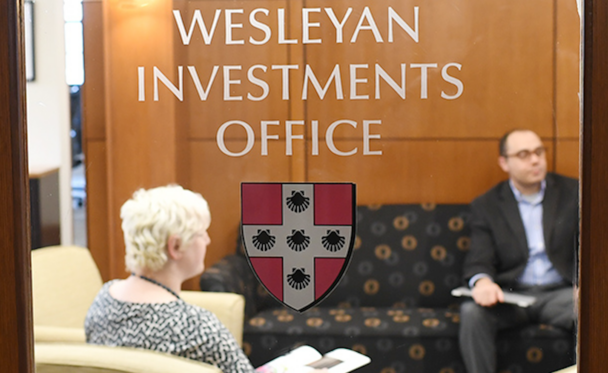
The Wesleyan Investment Office reflected on this budget structure in last fiscal period’s year-end letter: “The endowment has become a stronger engine of support for the University, not because markets always cooperated but because Wesleyan committed to principles that hold through cycles: a long time horizon, diversified return drivers, thoughtful risk taking, and a sustainable spending framework.”
Despite strong growth, the University’s endowment remains smaller and less central to its budget compared to some other NESCAC schools. According to The Williams Record, Williams College posted an endowment of nearly $4.5 billion and a payout responsible for 57% of its budget this year. Bowdoin College reported a $3.6 billion endowment this year that contributed 50% of its total operating budget.
Salaries and benefits rose 2.6% to a total of $174 million, slowing down compared to prior increases. Spending on institutional support, which covers administration, rose 11.6% to just over $43 million.
This fiscal year was the last for former Chief Investment Officer Anne Martin, who retired on June 30 after 16 years of leading the office. Jonathan Farrar, previously deputy chief investment officer, officially took over the role on July 1.
Last spring, Farrar spoke to the Argus about the Investment Office and its impact on the University. “The investment office may feel a bit removed from daily student life,” Farrar said. “But our work is directly tied to the University’s ability to support financial aid, faculty, and programs.”
Also seeing its final year is the former federal tax rate on the endowment income. A rate increase from 1.4% to 8% was passed as part of the Big Beautiful Bill for private universities with over 3,000 tuition-paying students that took effect on Tuesday, June 30. In response to the change, the University reversed the full amount of its deferred tax liability in the report, reflecting no expected tax on investment income.
Wesleyan Student Assembly Student Budget Committee Chair Eric He ’28 spoke to The Argus about what changes in the University’s endowment mean for student life. “Changes to the endowment often do not lead to any significant changes [for students],” He said. “The school only draws less than a quarter of its annual budget from the endowment, and a lot of it comes from student tuition.”
The close of this fiscal period marks the 16th year since the investment office was significantly restructured and brings the total endowment growth they have achieved to over $1.3 billion.
Sangye Sherpa can be reached at ssherpa@wesleyan.edu.





Leave a Reply