
Middletown Throws Out “Save As You Throw” Waste Reduction Program After Two Years
The City of Middletown’s termination of its trash reduction program will affect how hundreds of students dispose of their trash across more than 80 University residences. Announced by the city last fall, “Save As You Throw” (SAYT) was discontinued Jan. 1.
After a successful pilot program, SAYT first began in November 2023, promoting food scrap collection and reducing household waste through unit-based pricing.
How did SAYT work?
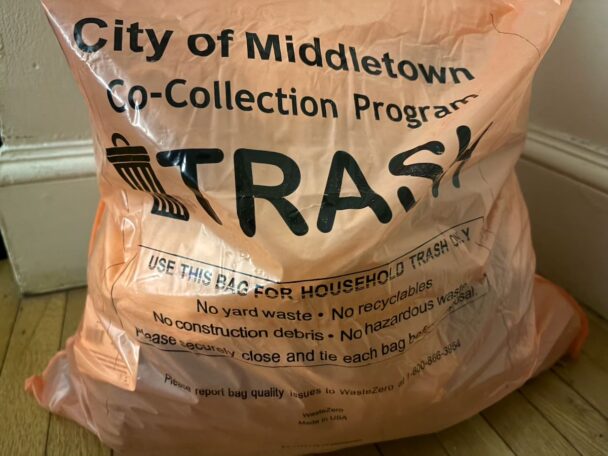
Residents in the Middletown Sanitation District who put their trash cans out on their curbs for pickup were required to use official color-coded City trash bags. Those who failed to do so received multiple warnings, after which their trash would remain uncollected until they used the bags, and residents unable or unwilling to use them would be able to pay a $30 fee to the Public Works office for each special waste pickup, according to Middletown Recycling & Sustainability Coordinator Lisa Liesener.
Orange bags were designated for regular household trash, while food scraps went into green bags. Green bags were brought to Quantum Biopower in Southington, Conn., to be converted into energy and compost. The purchase of these bags by Middletown residents was expected to offset a reduction in the municipal trash removal fee, treating trash collection more like a water or electricity bill.
The University provided students with the bags, footing an annual total cost of around $10,000 which was offset by the lower trash bills instituted as part of SAYT. Still, only some buildings on campus were part of the program.
“The entire campus is within the City Sanitation District, but not all buildings are included in the count given that many are serviced by community dumpsters,” Associate Director of Facilities Management Jeffrey Sweet wrote in an email to The Argus. “The dumpsters were not part of the program, so we were only paying for the 86 buildings.”
Did the program make a difference?
SAYT, which was supported by a grant from the Connecticut Department of Energy and Environmental Protection (DEEP) to Middletown and 13 other municipalities, was indeed helping to reduce trash output and ease up load on disposal infrastructure, according to city officials.
The city website said that after program implementation, the average Middletown Sanitation District resident threw out about half as much trash as the average state resident, helping ease the state’s dwindling waste disposal capacity, while also reducing the average trash bill by around $100 a year.
However, the benefits purported by the City were actually more modest than claimed and the program was running into financial difficulties, including rising upkeep costs and a prospective increase in fees to residents, according to minutes from the Middletown Public Works & Facilities Commission. The Middletown Common Council eventually voted to end DEEP assistance and scrap SAYT last October.
Sweet noted that the impact of the initiative in Middletown was unclear.
“The program never got a good foothold in the Sanitation District as there have been management changes within the City and the auditing process never became effective,” Sweet wrote. “For this reason we never received any official report on the effectiveness of the program.”
Similar unit-based pricing waste initiatives, often known as “pay-as-you-throw,” have been more successful in other Northeast towns, according to DEEP. Benefits included decreased waste, lower disposal costs, CO2 emissions reductions, and higher recycling rates.
“I’m disappointed that the City is terminating this program, as pay-as-you-throw programs have proven successful in many other cities and towns around the world,” Sustainability Director Jennifer Kleindienst, who also serves on the Middletown Sanitation Commission, wrote in an email to The Argus. Nonetheless, as a member of the commission, Kleindienst added that she reluctantly voted to approve the termination due to its financial problems.
What’s the new policy?
Along with the termination of SAYT, the city enacted some changes to waste collection. Recycling is now collected every week, instead of every other week. Dumpster and cart rates were raised, and a smaller cart size was added as an option for residents. As opposed to the existing 90- or 65-gallon trash containers, the new 35-gallon carts are cheaper and are intended to encourage waste reduction.
“I am glad, at least, that with the termination of [SAYT] the City introduced smaller cart sizes for City residents that generate smaller amounts of waste,” Kleindienst wrote.
University students using curbside trash collection will now be able to use any trash bags they want. However, the University will no longer provide them, so students will be responsible for obtaining the bags themselves. Recycling disposal, which must be loose and without a bag, remains the same.
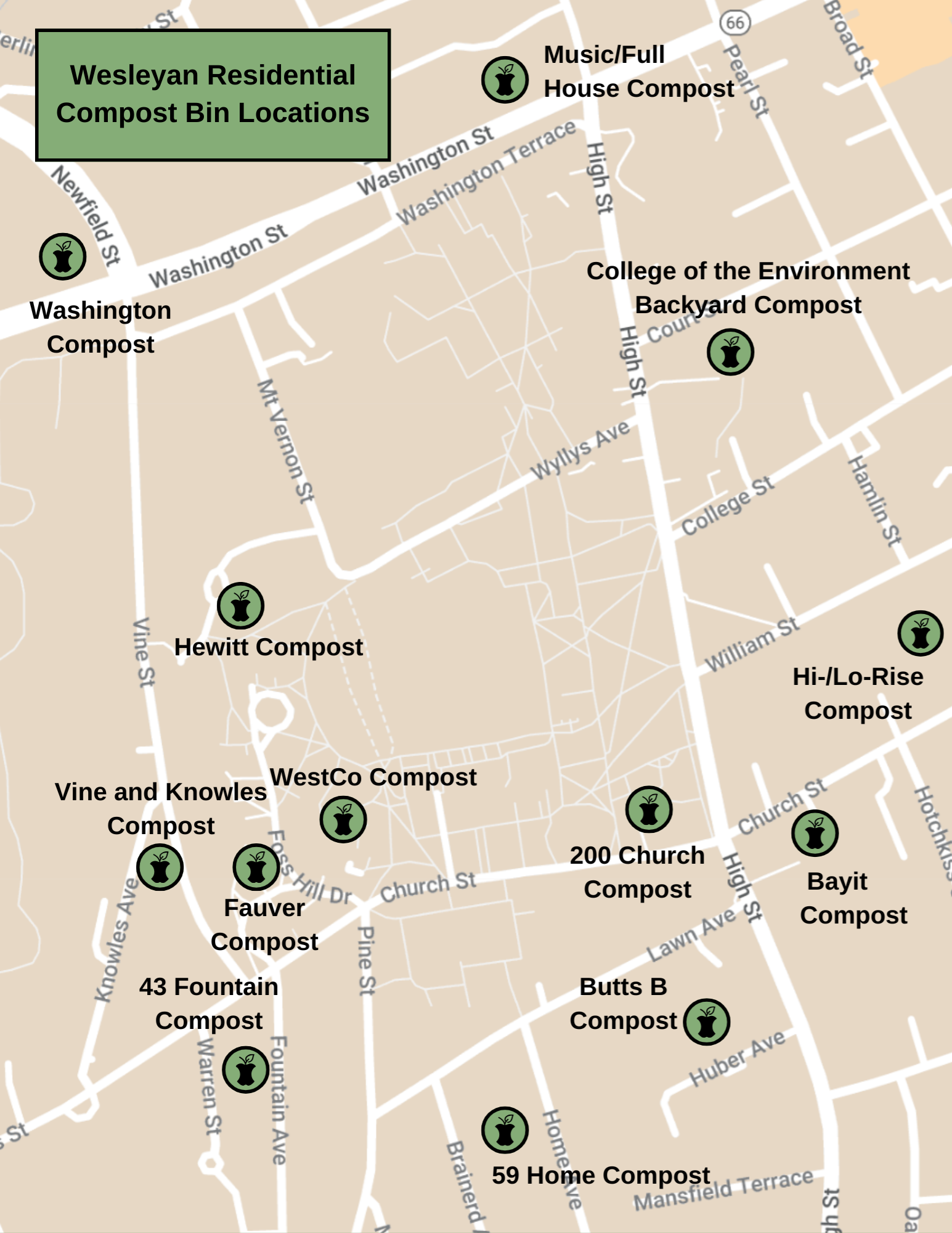
The University continues to offer composting for all student residences, with 14 outdoor composting bins located around campus. However, Kleindienst expressed a desire for composting to return on a citywide scale.
“I hope that the City will find a way in the near future to bring back curbside composting options for residents,” Kleindienst wrote.
Correction: A previous version of this article stated that the $30 fee for each special trash pickup was a mandatory fine for noncompliance with the SAYT program.
Spencer Landers can be reached at sklanders@wesleyan.edu.





Leave a Reply