
Lucid Color Collective Showcase Presents a Multimedia Experience of Peak Creativity
Walking into the Lucid Color Showcase, it’s immediately apparent that every piece on display is distinct: unique not only in medium, but in the aims, intentions, and interests of the artist who created it.
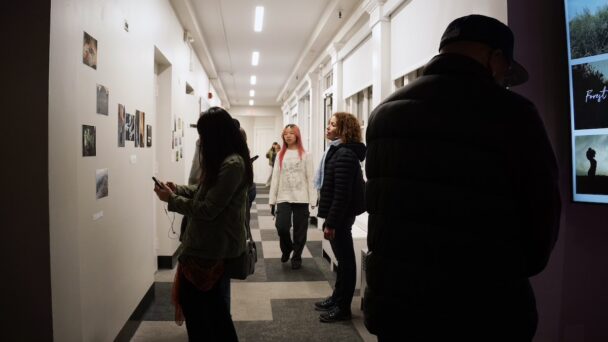
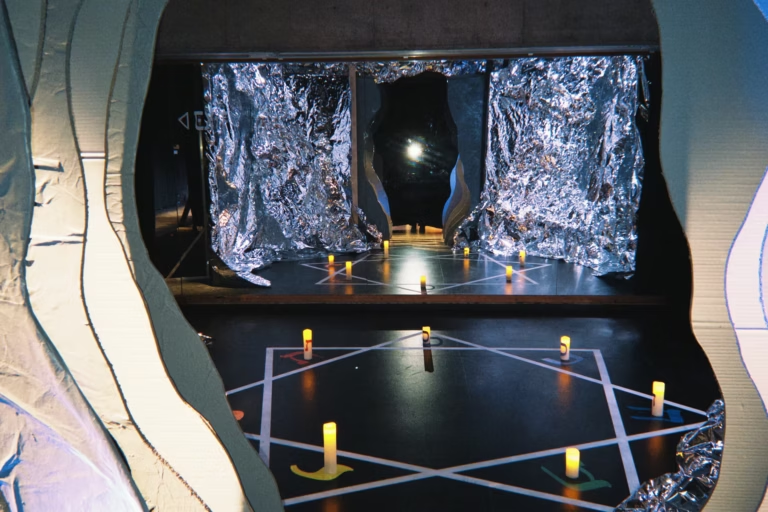
On Friday, Nov. 14, the student-run Lucid Color Collective showcased a multimedia art exhibit in the Digital Design Commons. The exhibitions, which ranged from painting to photography to film, all worked together toward the collective goal of creating a space where artists of color at the University were highlighted and celebrated. This aim manifested itself not only in the showcase’s artwork, but also in its collaborative community of artists and coordinators. No single aesthetic dominated the showcase, allowing students to curate their own form of artistic expression.
Lucid Color Collective was founded in 2014, but initially served as a campus film club aimed at engaging students of color in Wesleyan’s film scene. During the COVID-19 pandemic, however, the club completely disbanded. In Fall 2023, it was brought back for one semester as a visual arts collective, but it didn’t last. This semester, it has been revived once again, aiming to continue providing a space for visual artists and filmmakers of color.
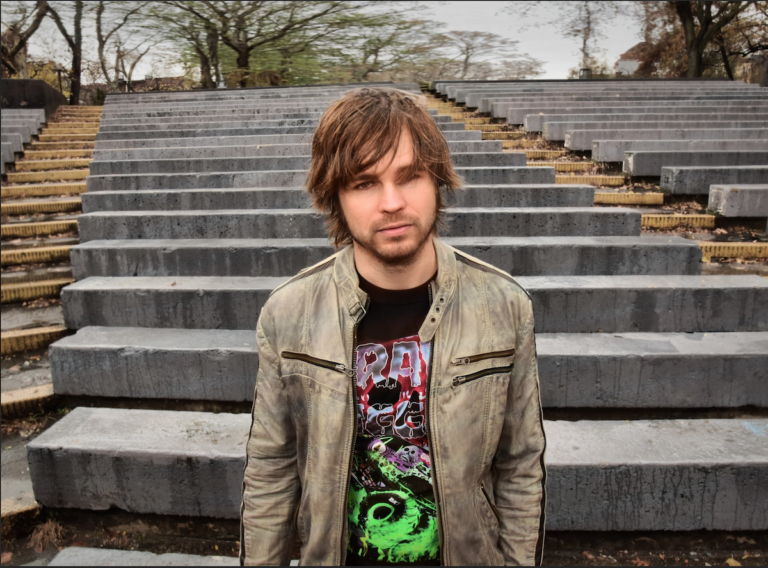
Ronald Ceesay ’27, one of the re-founding members, recalled how at the end of his sophomore year, a professor approached him about revamping and restarting the Lucid Color Collective.
“This is very important now, when artists of color across the nation are being erased, diluted, and diminished,” Ceesay said. “[It’s a] time on Wesleyan’s campus where we don’t really have that many showcases, and even though we have art—we have a very vibrant art scene—it isn’t the best it could be.”
Lucid Color Collective, in spotlighting the work of artists of color, hopes to push back against such suppression and erasure. It calls into question the culture of museum curation, a white-dominated field where artists of color have historically been significantly underrepresented. Ceesay argued that, historically, artists of color have had to work disproportionately hard to have their art recognized, and emphasized the significance of the Lucid Color Collective space.
In one of the hallways in the Digital Designs Commons, curators displayed photography from four different artists. Each photographer had a different focus to their art. Olivia Kong’s ’28 collection of photographs, titled “Limb by Limb,” focused on the fragmentation of bodies. Another artist, Melanie Sabino ’29, showcased photographs of public graffiti she had come across, a commentary on the disregard for this artistic medium within the art world.
Another room housed paintings, drawings, bound books and monotype prints. Dianne Cernal’s ’28 art book “The Taste of Becoming” carefully examined the process of bookmaking by deconstructing how its physical structure produces meaning. On another table, Shekinah (Glory Peter) Mba’s ’26 painting “The Space Between Us” explored the interconnectedness and tension between species and ecosystems.
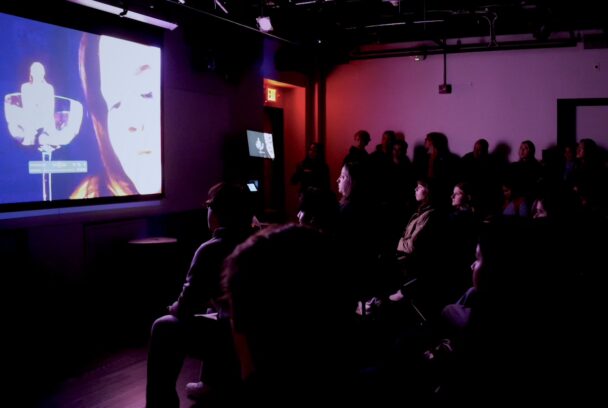
Later on in the evening, attendees were invited to a screening of students’ short films. Six different short films were presented, ranging from topics such as the University’s annual student of color fashion show in a documentary short by Lucas Buu-hoan ’26, to a comedic short about washing dishes by Richard Xiong ’28.
“There’s so many variations of what artists can look like and what artists can be,” Ceesay said. “And I think if you’re a well-adjusted human being, or a human being that’s [at all] intellectually curious, you’re an artist. There’s nobody who can’t create art.”
Lucid Color Collective invites anyone who is interested in art, no matter their level of experience, to create. Ceesay is right: Even considering the wide range of presented media, what ties all these artists and their works together is being a part of this collaborative community.
Amelia Haas can be reached at ahaas01@wesleyan.edu.

Leave a Reply