
Op-ed Series: Maintaining tradition is part of Wes culture
There are few things as difficult to define than the idea of tradition. By nature of its definition, it is related to the past and therefore when held up to modern standards, seems antiquated and (to some) irrelevant. Yet, again by nature of its very definition, it links the present to the past, and constantly reminds us not to forget the past and its importance in shaping the future. That said, there are some traditions worth keeping, and some that are not.
Wesleyan, like any other institution, has its own traditions, and those traditions must be questioned and their validity must be confirmed periodically. With that in mind, President Michael Roth ushered in a new era of Wesleyan when he took office. One which sees the University as a liberal arts school no longer vying for recognition, but rather competing against the behemoth Ivies that populate the East Coast.
In having to deal with this new (yet hardly unexpected) attention and increased applicant pool, Roth and his administration have obviously had to make certain adjustments to the central core beliefs of Wesleyan. I commend him on his willingness to challenge the way Wesleyan handles those who are at an economic disadvantage, and how he strives to make Wesleyan a more financially inclusive place without leaving the student body in serious debt post-graduation. I also applaud his ability to be self-critical and hear the student’s protests against various things.
Hearing and acting are two very different things, though. With this newfound publicity, Roth has had to challenge some of the traditions that Wesleyan previously supported, in order to continue to make Wesleyan a more popular, and therefore more economically secure, school. In doing so, however, he has bent over backwards for prospective parents and their money, and has failed to listen to the current students, whom without would leave him without a job, and Wesleyan a ghost town.
Wesleyan has had, and I hope will continue to have, a reputation and a tradition as a liberal arts school steeped in liberalness. Allowing the students free reign over themselves, Wesleyan has provided a harbor, one that shelters students as they learn who they are, by themselves. In concurrence with that notion of liberalness and student freedom, comes the right for students to decide what they want to do, so long as it isn’t detrimental to others’ freedom or health. That includes (and Roth, as a student not so long ago, should remember this) the choice that students can make whether or not to study all the time, or socialize all the time, or a mixture of both. It also includes students trying new things, from classes to experiences, and learning from their respective consequences.
There is also another tradition at Wesleyan: that of community, and the warmth that we share amongst ourselves. A perfect example is the tradition of Zonker Harris Day. It is the day when West College decides that, because the weather is just right, and the workload is about to consume us all, a concert is in order as a way of showing appreciation to the larger community for being so kind and inclusive to us. And also, it serves to relieve some of the stress that students face as they head towards the homestretch. In doing so, WestCo, and more importantly Zonker Harris Day itself, recognizes two important traditions within Wesleyan, and aims to promote and continue them.
Overall though, Zonker Harris Day is just another brick in the wall. What the name change really shows is a larger shift in tradition for Wesleyan. Roth and his administration are actively trying to shift Wesleyan away from what they deem as the “druggie” aspect of the school. WesFest no longer ends with 4/20, Zonker Harris Day isn’t allowed to keep its name despite the numerous protests from students and alums alike, chalking is banned, and even the Divestment Office (run by hippies, as Roth surely would label them) has been met with criticism, as seen by the Wespeaks section in The Argus. Instead of fostering an open and free community, Roth is shutting one down. Everywhere, little freedoms of Wesleyan are being taken away.
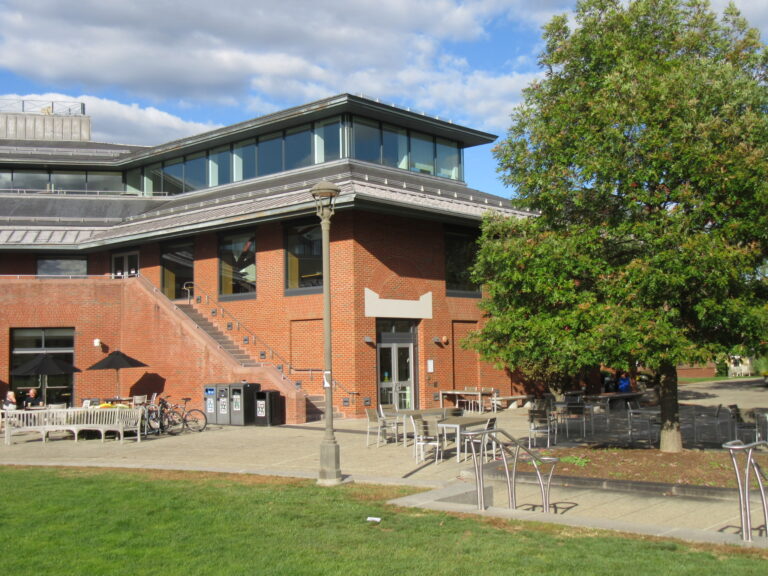
However, when students do stand up for what they believe in an organized and numerous way, the University, at times, listens (such as allowing food to leave the cafeteria in Usdan). Using that as a model, I urge all students to stand up for what they want and keep vital traditions alive. The ability to voice one’s opinion, to act on one’s own accord, and to have control over your own actions is a tradition that must not get lost.
Leave a Reply