
COW Conference provides forum for Connecticut activists
Activists gathered at the University on Saturday for the largest student-initiated anti-war conference ever held in Connecticut, sponsored by Connecticut Opposes the War (COW). Students, who hailed from 25 Connecticut schools, joined other activists in workshops and meetings that were intended to outline plans for specific anti-war campaigns.
“This is not the end,” said event organizer Dan Diaz, a former University of Connecticut student now working with COW. “This is the beginning.”
Former Brigadier General Janis Karpinski, whose command in Iraq included overseeing military prisons, gave the keynote address to the approximately 125 attendees.
After being demoted in the aftermath of the prisoner abuses at Abu Ghraib, Karpinski retired from the military and has since become an active member of the anti-war movement. She said that the prisoner abuses were actions sanctioned and directed by former Secretary of Defense Donald Rumsfeld, and that everyone around President George W. Bush knew the explanation given to the public was a lie.
“This was not seven bad apples out of control on the night shift,” she said. “This was seven bad apples in Washington, DC.”
She explained that many dissenting soldiers are kept quiet by being kept on active duty, during which their rights to speak out are limited.
“I won’t be silenced, ever,” she said.
Karpinski told the conference participants she was delighted to see so many students and young activists in attendance.
“[The government is] giving this mess to you,” she said. “[They are] screwing all of you by raising your taxes and putting this trillion dollar war in your hands.”
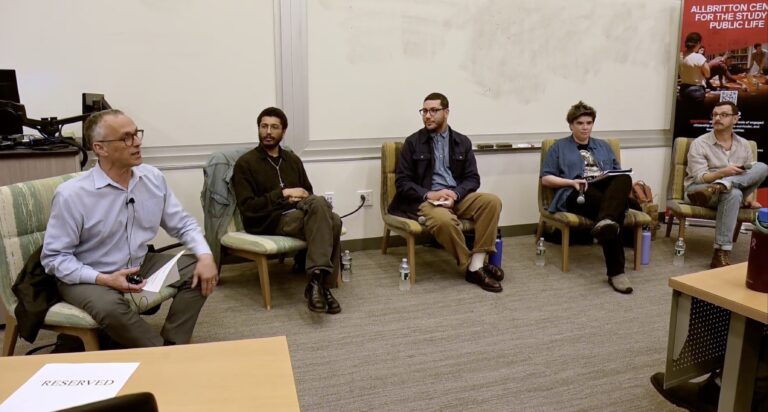
The conference attendees then met in smaller groups for workshops ranging from “Student Organizing 101,” to topics like “Grassroots Media in the 21st Century: Flyers, Facebook & YouTube,” “Counter-recruiting as Peace-recruiting,” and “Responding to the Iraqi Humanitarian Crisis.”
Diaz said he hoped the conference would build connections between schools that would continue into the future.
Laura Heath ’11 had a similar message when addressing the conference.
“We have to keep building this movement so [that], no matter what happens in the next few years, we can be ready to stand up for what we believe in,” she said.
Students attending seemed excited about the opportunity to network with fellow activists.
“We come to events and network and organize,” said UConn student Allyssa Milan. “What other way is there?”
Another UConn student, Sara Morajev commented on the importance of a united movement.
“Together, we can make more noise,” she said.
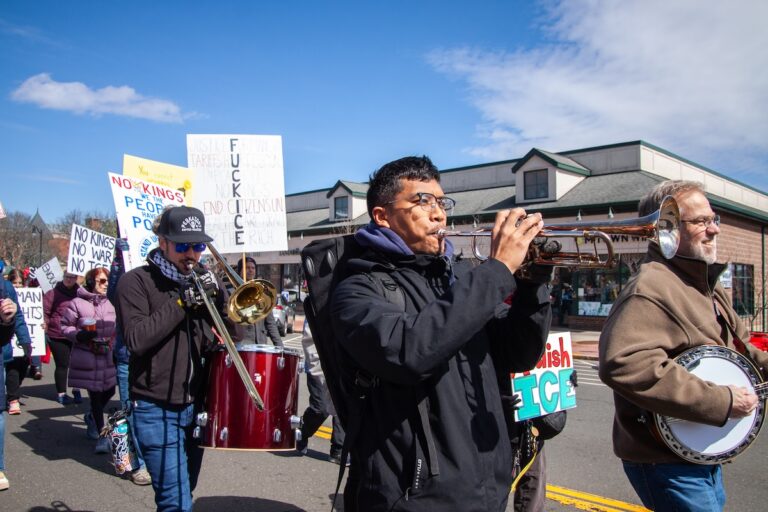
Indeed, the conference participants made a good deal of noise as they ended the all-day event with a rally and protest in front of the military recruiting office in Middletown.
Dan Piper, a representative of Connecticut United for Peace, emphasized the importance of the conference’s timing, just before regional and national organizing conferences this summer.
“This conference could change the shape of the anti-war movement,” he said.
Attendees hoped the connections made at the conference would help the movement stay strong over the summer in preparation for a strong start in the fall.
“We want to stay connected so we can hit the ground running week one, day one,” Diaz said.
Diaz, along with several others, planned the conference over the course of this semester. Organizing the conference was a major collaborative effort involving student leaders, peace councils, and labor unions.
“There’s never been anything like this,” Diaz said. “We had good turnout and good energy.”
According to Diaz, the University was chosen to house the conference because of the strong presence of anti-war groups on campus. He said that the University was a cornerstone in organizing the conference and building the Connecticut student anti-war network.
“Wesleyan students are all-stars who have energized other campuses,” he said.
Leave a Reply