
ResLife considers GRS leftovers
After scrambling to provide on-campus housing for over 100 students who were left without rooms last fall, this year the Office of Residential Life (ResLife) tried to avoid a housing crunch by increasing options for off-campus housing for a limited number of students and also instituting a bonus point system for General Room Selection (GRS).
“Early indications show that we’ll be housing more students than what enrollment projections are, just like what happened last year,” Director of ResLife Fran Koerting said. “But it definitely won’t be off by 100 like the year before.”
There are currently 65 students without housing, including 40 sophomores and 25 other students who applied for singles but did not merge with other housing groups once all the singles on campus were taken.
Usually, 30 to 40 students a year are still without housing for the following year at the beginning of the summer. ResLife always allows a certain amount of students to be left without housing in preparation for attrition in July, when some students decide not to enroll the following semester.
Unlike last year, ResLife has started working early to find alternate housing for students. Students have already submitted housing release forms and will be contacted by May 8 about whether they have been granted off-campus status.
“This year we’re going in it and being more proactive,” Koerting said. “August was a horrible time for students to sign leases, or search for off-campus housing while so far away. This year we wanted to do things while students are still here.”
Notably, this year the rising junior class consistently selected other housing options over Lo and Hi Rise. Approximately one third of the rising junior class selected housing elsewhere, such as the Hewitt Dorms, 316 and 344 Washington St., and 156 High St., even while spaces in Lo and Hi Rise were still available. 54 students from the rising junior class will be living in Hewitt.
Koerting attributed this change to Hewitt’s proximity to the USDAN Campus Center, as well as to the absence of first-year students in the dorm, as they will now be housed in other dorms such as Clark, Fauver, and 200 Church.
Next year, approximately 20 students are expected to be released from on-campus housing requirements, and will find housing in off-campus alternatives. In Fall 2006, a total of 50 students were released to live off campus, which includes both students caught in the September housing crunch, as well as students who chose to live at the Beta Theta Pi (Beta) house, which is considered off-campus housing.
Because Beta will remain off-campus even while members are required to enroll in the housing lottery, fraternity brothers will continue to pay “double rent,” both for a room in the fraternity house and for a room on campus.
“Beta has to participate in housing selection,” Koerting said. “Whether they physically sleep in that room or not we have no control over. Beta housing is not recognized by the University, so we can’t find out who they were, we can’t get a list of names. I’m not sure what else we could do about it.”
During the 2005-2006 academic year, when both Beta and Psi Upsilon (Psi U) had off-campus status, about 40 rooms across campus were essentially unoccupied as a result of fraternity members paying for rooms on campus, while actually living in the fraternity houses. If the same number of Beta members choose to live in the fraternity house next year, approximately 20 rooms across campus will remain essentially unused.
According to Psi U president Benjie Messenger Barnes ’07, 21 of the empty rooms on campus during 2005-2006 belonged to Psi U members. After opening its doors to female boarders, the fraternity was granted program-housing status and Psi U members who chose to live in the house no longer had to go through the GRS process.
“Considering the initiatives that we do at Wesleyan, having a good relationship with Wesleyan is obviously paramount to the university’s improvement,” said Barnes. “We began to recruit both men and women to live in Psi U to thus ensure we’re in good standing with the University.”
Currently two female students live at Psi U. Of the nine women who applied to live there next year, three were accepted. Beta will continue to host only male boarders and pay double rent as members seek off-campus housing status.
“They definitely pick up a key but it’s hard to say how often they live [in the on-campus rooms],” Koerting said of Beta members. “My sense is that some of them kind of live in both rooms. They keep some stuff there, they stay there on the weekends when it’s quieter than in the fraternity house.”
Contacted members of Beta declined to comment for this article.
In addition to increasing off campus housing options, this year’s GRS also marked the initiation of the point adjustment system, which allows for students with low housing numbers to have higher picks the following year.
“The idea really came from student input,” Koerting said. “We had students feeling like they were getting screwed by the system. We started asking what can we do to make things more fair?”
220 students went into GRS this year with points, including 60 first-year students who were placed in triples in September; 110 sophomores, including many of those placed in housing on Washington Street; and approximately 30 current juniors who were not able to select housing in Lo or Hi Rise for the 2006-2007 academic year.
Approximately 100 students received point adjustments for the upcoming housing selection next April, including the 40 sophomores left without housing and 62 juniors who did not get their picks in either Lo or Hi Rise.
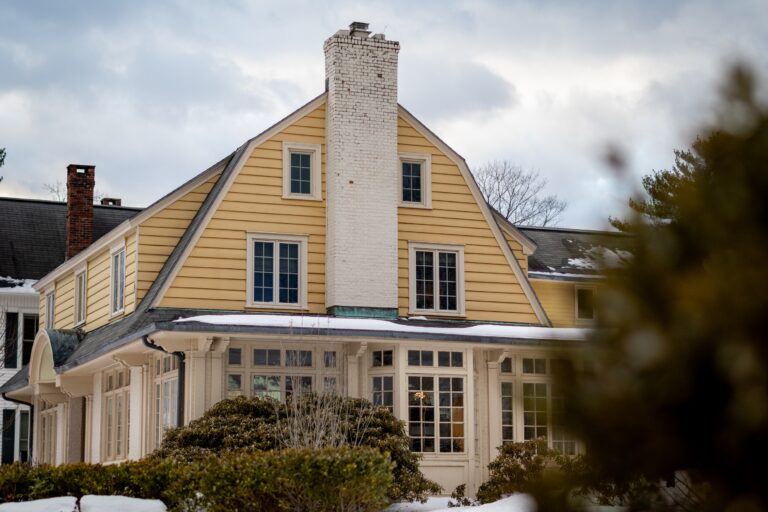
The houses on 390, 394, and 400 High Street, which were turned into senior houses this year to cope with the housing crunch, will be closing and are not intended for further use. Selling these houses is part of a plan to centralize the campus over the next 10 years by relocating program houses and other facilities such as Physical Plant closer to campus.



Leave a Reply