
Middletown Police presence considered
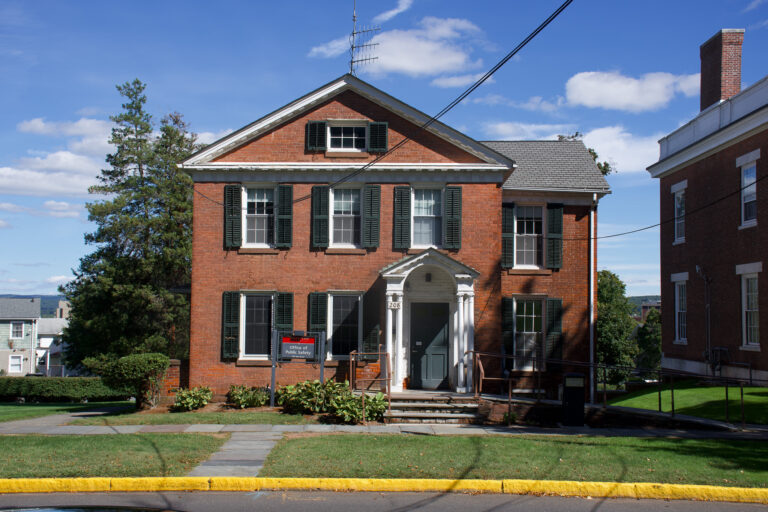
In light of recent events on campus, many students claim there are more police on campus, from driving down High St. in the afternoon to breaking up parties on Fountain Ave. on a Saturday night. The fact of the matter is the Middletown Police Department has the power of arrest and authority over any incident occurring on University grounds, which may pose a problem for those relying on Public Safety to have both the first and final say at the scene.
“I appreciate that the police are trying to make the campus safer but I don’t think it’s right that they’ve been harassing students and breaking up parties,” said Jeff Wong ’08. “I have noticed them more on campus before than in the past and I’ve never seen police break up a party before this year.”
According to Director of Public Safety Dave Meyer, the amount of police on campus at this time of year is typical.
“I don’t really think there is an increased presence,” he said. “This is the time of year when we do get a lot of noise complaints and we sometimes use the police to respond to them. I’ve been encouraging them to be in the area because of thefts, also we hire them to do direct patrol. This is nothing new.”
Former Deputy Police Chief Phil Pessina expressed a somewhat different idea about the department’s patrols.
“We’ve increased our patrols on campus and in other parts of city to have higher visibility,” he said. “It’s not uncommon for you to see police cars when you’re on campus walking to class. We encourage officers to be up there so that students know they are safe.”
Tali Biale ’07 doesn’t feel like the increase in patrols evokes a positive response from students.
“The police presence is not making us feel safer but making us feel scared,” Biale said. “We have to come up with alternative ways of staying safe and it has to do with what kind of community we can create…one in which we can talk to each other and hold each other accountable.”
One of the main reasons that police officers are called to campus is to deal with parties on weekend nights. Pessina thinks that the joint work of the police department and Public Safety has resulted in a healthier situation for students participating in the social scene.
“Ever since we partnered up with student body and Public Safety, we have not seen or do we anticipate a resurgence of drinking in public like there was [several years ago],” Pessina said. “The number of people going to infirmary at that time for alcohol intoxication was too high.”
In 2004, Middletown created a local ordinance regarding alcohol possession that the state of Connecticut reinforced with a law passed Oct. 1.
“There’s no difference at all,” Pessina said when asked about the new law and the previous ordinance. “What the cities were doing was putting together ordinances at the local level, specifically laws to deal with underage drinking and house parties on private property. The state saw there was a need for the health and safety of underage drinkers and the law works hand-in-hand with our ordinance saying, basically, there is no public drinking.”
According to Middletown’s legislation, as defined under “Article II: Alcohol Possession,” no one under the age of 21 can possess containers of alcohol, and no person hosting an event can dispense alcohol to minors. Anyone in violation of these provisions can be fined up to $99, including the owner of the private property where the alcohol is distributed.
Meyer said that as far as he knows no one has been charged under the new law.
Ruby-Beth Buitekant ’09 shared the pervasive opinion that there needs to be a better exchange of information and ideas among the University and the police department. According to Meyer, the department has an officer and a detective that work with Public Safety.
“I think that communication has been pretty awful this year specifically and that there has been a certain amount of racial profiling that has gone on at parties and late at night,” Buitekant said. “I think that while that might be simply a reflection of racist people or racist policies, it doesn’t make it acceptable or anything that we shouldn’t be worried about.”
“We have worked hard to be sensitive to diversity and ethnic groups,” Pessina said.
However, Pessina, too, recognized the importance of a group effort to ensure safety on campus.
“Wesleyan is right in the heart of the Middletown population and we all have to learn how to cohabitate,” he said. “But, it’s the beginning of the year, and new students have to become aware, so we don’t go to arrest mode right away. We go into warning mode, and using Public Safety.”

Leave a Reply