
The Growing Positivity Movement in Sports Media
As I began writing this article this past Sunday, I swung over to a couple of the most popular sports media sites to see what people are talking about. ESPN’s top story featured Notre Dame being snubbed from the College Football Playoff, accompanied by a video of Nick Saban panning the committee. Bleacher Report had highlighted their article on which NFL coaches should be fired after the season. FOX Sports’ top story was about the Daniel Jones injury. CBS Sports’ live coverage demanded that Lamar Jackson needed to get right to overcome a 17–3 deficit to the Steelers. What do all of these have in common? They all skew negative.
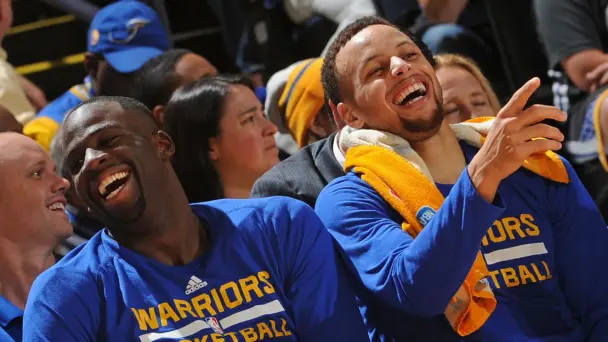
Indiana football just completed an undefeated regular season and won the Big Ten Championship, only two years after going 3–9. This morning, Lando Norris won the Formula 1 World Drivers Championship, his and McLaren Automotive’s first since 2008. The Saints pulled off an impressive victory over the Buccaneers. All these uplifting headlines equally deserve the top of these pages as much as the first group of stories.
This is emblematic of a greater issue with the media in the United States. Studies show that media consumers are more likely to click on stories with negative connotations than positive ones. The roots of this phenomenon go back to (a) standard propaganda and tabloid journalism—which plays on its consumers’ emotions more than its desire for the truth—and (b) negativity bias, or the fact that humans are more influenced by negative events than positive ones. In turn, news-related stress has increased, as debate-oriented political programs and arguments on television channels generate more engagement.
Think about the most popular sports shows of the last decade. ESPN’s catalog of First Take, Around the Horn, Pardon the Interruption, and Get Up openly encourage debates over who is worse, whose accolades can be questioned, and which team will collapse. FOX Sports does the same, with Undisputed, First Things First, and The Herd using the same strategies to unite people through dislike.
There is another option, though. It doesn’t have to always be positive, but we can at least applaud the victors of a match before shaming the losers. And online, there are a couple of creators leading this movement.
Adam Doucette is one of these people. The Boston native began the account @defaultpositive on Instagram in May of last year. His videos often feature stories that aren’t showcased on the biggest of shows, going deeper in minute-long TikToks than many do on 30-minute talk shows. The thread that ties all his content together is simple: The angle of every video comes from a place of positivity.
The origins of Doucette’s videos come from his genuine love of sports and an absence of that love in sports media.
“These athletes put their lives [into it], we go to the games, watch them do these amazing things, and there’s all these incredible stories,” Doucette told the Argus. “That is the reason why I like sports, and I wasn’t seeing a ton of that in sports media.”
Nearly every week, Doucette publishes a short video highlighting a sports feat uncovered by mainstream sports media or possibly the deeper story to a phenomenon galvanizing sports fans. In his recurring series “One Good Thing,” he showcases everything from Tyreek Hill’s relentless positive attitude despite suffering a season-ending injury to Lee Corso’s incredible legacy as both a great media personality and even greater human. He delves deep into the narratives that surround players and coaches, and he also uncovers the narratives that go unnoticed but should be appreciated.
Doucette’s vision came from a view of sports media that recognized the negative approaches currently present in the industry and the realization that people may enjoy the opposite.
“I thought when I was starting the company that if everything becomes super negative for clicks and for engagement, then maybe you can actually stand out over the opposite,” Doucette said. “I feel better doing the opposite anyway.”
One of Doucette’s strongest qualities is his storytelling. It’s easy to catch someone’s attention with a hook, but he’s not in that kind of business. He said he cares more about the stories he’s telling and connecting with the audience than shocking them in a split second to get them to stick around for the rest of the video.
And clearly, he’s done this pretty well. He has amassed over 50,000 followers on Instagram and over 10,000 on both TikTok and YouTube. He’s not the only one spreading a more positive view of sports online, either.
Enjoy Basketball, a media and lifestyle company based out of Chicago, Ill., brings an essence of positivity and community-building to watching professional hoops. “Elevate the game by bringing fans closer to the culture that shapes it,” their website reads.
Enjoy Basketball starts with Kenny Beecham, one of the most recognizable faces in NBA media today. Formerly known as the “King of the Fourth Quarter” on YouTube (now @KOT4Q), Beecham began as a gaming content creator for the NBA 2K franchise. He evolved into making videos of basketball commentary, and his analysis of the game has made him one of the most respected voices of the new generation of sports media personalities.
In 2022, Beecham and his managers, Cole and Cody Hock, started Enjoy Basketball, which is home to five shows and merchandise and has amassed over 2.1 million fans. In an interview with Forbes, he said their content provides “a nice middle ground for casual and diehard sports fans.” It combines strong analysis of games and players with a laid-back energy that has grown their massive following.
Beecham, along with Pierre Anderson, Mike Heard, and Darrick Miller, hosts the Numbers on the Board podcast, which has become one of the most popular podcasts in all of sports. Episodes aired on ESPN2, they were able to get various NBA stars on the show, and they even recorded a podcast with NBA commissioner Adam Silver. Recently, they were picked up by the new NBA on NBC team, and all their main shows are now featured on Peacock.
Media personalities around the sports world have taken notice. Beecham and Enjoy have received praise from Stephen A. Smith, Pat McAfee, and various different journalists and newspapers. Last week, Beecham was named to Forbes’ 30 Under 30 list for Media, capping off an incredible year of growth for the company as they soar towards new horizons in the sports media world.
What both Doucette and Beecham have in common is a drive towards emphasizing the joy of sports. We love these sports and teams because they bring us a kind of happiness that is unlike any other. That sentiment can be lost in the world of sports media. And while we love the game, we also love the people who reach new heights playing them.
The stories are what make sports so much fun: the mid-major college that makes the March Madness tournament for the first time and goes on a Cinderella run at the championship; the undrafted player from humble beginnings who works their way up the depth chart and becomes a star; the team that hasn’t made the playoffs in decades who finally gets over the hump; the touted superstar who finally lives up to the hype and cements their name in sports history. It makes being a fan such an incredible experience. We love these stories, and yes, while criticism is necessary at points, sports media as an industry could take a step back from blundering teams or players to appreciate all those who make up this world of sports we love so dearly.
In a Nov. 26 video, speaking about ESPN sideline reporter Holly Rowe overcoming cancer and finding even more joy in what she does, Doucette summed it up perfectly:
“The joy [Rowe] talks about is so prevalent in sports: one of the last places where there’s no shortage of underdog stories and comebacks and teamwork,” Doucette said. “But so much of sports media right now takes that away. Negativity and clickbait and drama have become the strategy. But every time I watch Holly Rowe, it reminds me that it doesn’t have to be. Because sports are supposed to be fun, and life is better when you default positive.”
Max Forstein can be reached at mforstein@wesleyan.edu.


Leave a Reply