Tag: naya samuel

  • WesCeleb: Asher Lipsett

    Trisha Arora/Photo Editor

    If you’re looking for a comprehensive tour of Wesleyan, Asher Lipsett ’14 is your guy. Whether he’s walking you down Foss in person or sending you play-by-play Snapchats of the scenery, he’ll be sure to get you the whole story. The Argus caught up with Lipsett to talk about his sexy history thesis, his work as a tour guide, and his struggles at Pi.


    The Argus: What makes you a WesCeleb?

    Asher Lipsett: So I guess I was sought out because of my ability to be sought out, one might say. That’s actually a complete lie. I really have no clue, so this is a big mystery for me. I’m looking to get some answers, possibly through this interview.


    A: All right, well, what should we talk about? Let’s talk about you.

    AL: The big thing right now is that there was some sort of electrical thing at Olin yesterday.  Apparently it was in 2A. A couple of things about that: that’s where my open carrel is. [An open carrel] is like a lame second-place prize for people who didn’t get a carrel on the randomized list, so that’s great. But the bigger problem is that that’s where a lot of my books are for my thesis. So I have no idea if they’re burnt to a crisp or if I just am imagining that because I haven’t actually been to the library yet, so I’m just kind of making a scene in my own head about what I think happened. So I’m actually probably going to go check on that and see if my books are alive, if I can even get to that floor.


    A: If you can’t, you might as well just drop your thesis.

    AL: I’m thinking of doing that regardless of electrical wires. Not really. But it’s truly tempting. Like, maybe if all my work was there, I could say, “Listen, I can’t do one now, but it’s not my fault.” But I did not set that fire to try and eliminate my thesis, if that’s where you’re going. Because I know that The Argus was on the scene, so yeah, it wasn’t me.


    A: So how was your weekend?

    AL: It was good! A lot of fun social events, a birthday party, I got a bruised bone in my leg that I’m working through right now. I slipped. There were a lot of leaves around, and I missed a step and hit that [points to his leg], and then I fell on it again in the same place later that night, so I feel like that probably did it in. You can’t really see the bruise, but it’s on the actual bone, which is inside of my leg, so you can’t quite see it. It hurts, and I have four tours this week, so I’m going to be putting a lot of weight on it, which is really bad.


    A: So you’re a tour guide. Tell me about that.

    AL: So that’s sort of a thing I do, other than starting electrical—I mean, other than just doing my college thing. I’ve been doing that since second semester freshman year. The seniors now who got hired then are seasoned vets, if you will. It’s a good gig; I love it. I love talking to parents and having them be nosy. At this point, I just kind of talk about whatever I want, which is really nice. I have a lot of latitude, and, you know, job security’s great, especially in this struggling economy.

    We always have fun people come. Like, Public Safety came once to do a training for us about what to do if a tour gets out of hand, which I think is outrageous. So we learned about standing your ground, like, not in a Florida sense, in sort of a balancing sense with your feet apart. We did a little combat simulation with the Public Safety officers. It was unexpected, and I didn’t really know how to interpret that. I think I Snapchatted it, and that’s how I responded to it.


    A: Has anything like that ever actually happened to you on a tour?

    AL: No, there’s never been an incidence of violence or anything like that. I had a couple of pledge brothers who dressed up in those bodysuits and then put on tacky sweaters and then wrestled each other on North Quad. Roth was actually talking to my group at that time, and he was like, “Oh, there’s the dean of our science faculty!” So he played it off very well, of course. And another time someone got thrown into a pool, and it always smells like weed on the hill, but that’s small potatoes. What am I supposed to do, defend the group like a warden? No. So I’m not really sure why [Public Safety] did that, actually. It was entertaining enough. I got a kick out of it, literally.


    A: Tell me about your thesis. What’s it about?

    AL: So I’m doing it in history. What’s nice about history is that everyone has to do something, whether it’s an extended seminar paper, which is just a long paper, a senior essay, which is a half thesis—which would be great right about now—or the year-long one, which is the one you can do for honors. So that’s what I’m doing. Everyone’s in the same boat, doing something, so that’s really nice. And the department, I think, gives a lot of support.

    So my thesis is looking at the Freedmen’s Bureau, which is this agency created by the War Department in 1865 that essentially went to the South after the war, to the Confederate states, and was tasked with bringing American citizenship rights to about four million ex-slaves who were now suddenly free and had a couple amendments to say that they were free.

    So there’s that story, and then there’s what actually happened. So you have reconstruction, but what I’m looking at specifically is Georgia, where I’m from, my home state. And I’m looking at the approximately 372 bureau agents who operated in Georgia, who no one really knows about all of them. So there’s some good stuff on some, but what I want to do is look and see where they came from, where they went. Were they rich, poor, foreign-born? Were they southern or northern, military, ex-mil? And [I’m looking at] how that influences their bureau work. There’s sort of a gap in the historical understanding.

    A lot of people are really driven with their theses, like “I want to explore this.” I like mine, it’s interesting, but I guess a big motivation was that the history department said, “We would like something original,” and a lot of this stuff doesn’t exist—no one knows it. So I have very secret knowledge, which is great, but I have a lot of latitude in what I get to talk about because of that, so that’s really nice. It’s going well.

    I have my colloquium next week, where I give a little talk about what I’m doing, and I have to defend the idea of what I’m doing. So I’ll give a little twelve-minute talk, I have little handouts, and hopefully people will say, “Good job,” because I’m looking for positive reinforcement at this point.


    A: So that’s for the faculty?

    AL: Faculty and students come. We [students] have to go to five, or something. That’s why they’re there, because it’s required.


    A: If people want to come to your colloquium, when is it?

    AL: It’s next Wednesday, November 20, at I think 4:15, I don’t know, sometime between 4 and 5. It’s the same day as Daniel Greenberg’s, and he’s looking at regicide, so we’ve got some really sexy historical work being done on that particular Wednesday. I definitely encourage you guys to come out, if not for me, for Daniel Greenberg.


    A: Anything else you want to add?

    AL: I was trying to get a Chaider this morning, and the line was too long, and I didn’t even have an internal monologue about how mad I was about it, because I was just going with it.


    A: So are you still dejected about that?

    AL: I’m a little upset, and if I get one at this point, I don’t know if the time is right. I might still do it, because I have a hard time committing even to things that I’m upset about, which I guess is interesting. But I’ll probably end up drinking that beverage regardless of how I feel right now. Probably after this.


    This interview was edited for length.

  • WesCeleb: Ashe Kilbourne ’14

    Ashe Kilbourne ’14 is a versatile musician and DJ, as well as an activist for queer and trans* issues on campus. Since Her freshman year, she has deejayed a variety of venues and continues to produce, promote, and play electronic and hardcore punk music at Wesleyan and around the East Coast. The Argus sat down with Kilbourne to talk about creating music, trans* issues at Wesleyan, and how to make the University’s music scene less oppressive.


    The Argus: What makes you a WesCeleb?

    Ashe Kilbourne: Good nail color, at least recently. I’m loud in some places, I can take up a good amount of space in some places, so yeah. I make and play music, do stuff around music and organizing it.


    A: Can you tell me a bit about your music output here at Wes?

    AK: Let’s see, I hadn’t really played or done any music when I was in high school. I learned to deejay when I enrolled at Wesleyan. [I] learned to make music, learned to play the guitar. I did a lot of deejaying on campus here. More recently, I’ve been trying to play around the East Coast. And I’ve booked shows; that used to be through the Concert Committee, more recently it’s been mostly in Connecticut and Massachusetts.


    A: What kind of music do/have you played?

    AK: I produce instrumentals for rappers. I make mostly Philly Club Music, some Jersey Club, and some Hardstyle. I played in a garage-y band in sophomore year. The band I’m playing in now is called Pyka; that’s, like, powerviolence grindcore.


    A: How have you found the crowds to be at Wesleyan?

    AK: I’m pretty done with worrying about that; I don’t know what people want. I feel like people usually position punk and hardcore as a cool fashion accessory of a greater personal brand. I’ve just had people who are very rude and off-putting when I book hardcore shows here. So it’s hard to work around that, I suppose. I hope people who need [hardcore] or like it find it, I hope it’s something that has some kind of positive presence for Connecticut.


    A: Can you tell me about Pyka?

    AK: It’s hardcore; it’s trying to be pretty fast, pretty political. We talk about [feminism], trans* issues, queer issues, race and antiracism. I definitely view the Wesleyan music scene as pretty misogynistic, white supremacist, and transphobic, so we’re trying to figure out creative ways to make it a safer space. We made a demo; it’s five songs under five minutes. We recorded it at Dead Air Studios in Massachusetts. We’ve got cassette tapes! We’re definitely trying to play less on campus and more around Connecticut.


    A: Tell me more about trans* issues on campus.

    AK: Being trans* has been a part of why I dislike being here. I view it as a space that, through its ability to engage in educated, liberal “diversity-speak,” affords itself a sense of satisfaction so that it doesn’t need to interrogate its innate transphobia and trans-misogyny, also its racism and classism. I’m very sick of people who laugh at how wonderful and accepting the campus is. It’s no longer a point of politics; it’s very post-ideological, post-racial, post-gender, refusing to see things in terms of historical, institutionalized oppressions.


    A: Within the administration and student body, what are some major patterns of transphobia?

    AK: Some of the ones that are most visible happen around misgendering, lack of interest in pronouns of people, assumptions that everyone is cis. Just a general feeling of entitlement and access to other peoples’ gender histories and identities. That allows people, especially cis queer people, to feel like they have greater access to transness, because they “get it,” which they don’t. [They] ask about your body configuration, use you as an interesting way to experiment with their sexuality. A great place to start looking into thinking about these things is the zine “Bros Fall Back,” reviewed by Suzy X.


    A: What have you been doing to raise these issues in the campus discourse?

    AK: It’s difficult, because speaking about trans* issues in cis-supremacist spaces is potentially really triggering, so it’s difficult to make a constant pursuit of it. I don’t know, I helped organize a trans* potluck meeting that happened last year; I’ve started trying to create a transfeminine potluck this year. [I’ve been] encouraging many people to be aware of how they gender others. I think an example of that is, you see a lot of that in Wespeaks, perhaps Argus and Wesleying articles, the use of the pronoun “ze” for a third party or unspecified person. Usually, those people have no interest in checking on those pronouns, have no problem with [violently gendering people]. But because they have that access to the academically charged language of something like the pronoun “ze,” it’s like a fun thing for them to do instead of a serious part of people creating a system to legitimize their identity history themselves.


    A: Do you have any advice for student-run publications on how to be less transphobic?

    AK: Advocate for more all-gender spaces on campus, stop committing gender violence by assuming people’s pronouns and gender histories. Self-educate and make yourself known as an ally through your actions and support that you give to trans* people, I suppose.


    A: Anything else you’d like to add?

    AK: I’d like to encourage people to consider how their participation in and creation of the music scene here creates more space for sexism, racism, assault, harassment, violence. Through locating your events at things like fraternities, through allowing oppressive people and oppressive presences to have privileged roles in the planning, allowing them into the space at all. I hope people feel an entitlement to protect themselves and their friends and to give themselves community, and not bend to the feeling that they have to make room for every asshole who thinks they can be in any space. Many of the venues where music takes place on campus have long histories of sexual violence and sexual assault. There’s a sort of routine, interpersonal aggression towards women, folks of color, trans* and queer people.

  • WesCeleb: Taylor Steele

    WesWings makes some good pulled pork sandwiches, don’t get me wrong. But when I was lucky enough to encounter the amazing catering services ofTaylor Steele ’14 on a film thesis shoot this past weekend, I was subject to one of the most amazing culinary experiences I’ve had at Wesleyan. Aside from his launching the barbecuing club “CarnivorWes” (with the slogan, “your carbon footprint never tasted so good”), Steele is an avid reader and writer, actively involved in writing programs across campus. Steele sat down with me to discuss barbecuing, mystery writing, and how to be an engaged reader and a college student at the same time.


    The Argus: So, what makes you a WesCeleb?

    Taylor Steele: I was hoping you’d tell me. I’m really not entirely sure. I’d say this year I’ve started holding more or less weekly barbecue potluck events at my senior house, so lots of people have come for those. It’s pretty open, and my goal is to shift it from me inviting my friends via email, which is what I’ve been doing, to more of a true student-group-style event. I’ve created a student group called CarnivorWes, so part of the goal is to do these open potluck-style meals where we barbecue things, and then the other part that I want to work on, which I’m doing now, is providing a student catering option. I’ve catered a senior thesis film shoot, and I’ll be doing that again this weekend. I live with [Gideon Too ’14,] the captain of the Rugby team, and they have a barbecue at the end of the season traditionally, so I’ll probably be catering that this year.

    I’m interested in helping other student groups and organizations have events where food is featured, so that it maintains a sort of all-student, all-Wesleyan sensibility in terms of that all of it is done by Wesleyan instead of having to go outside of school. Getting food from restaurants in Middletown can be wonderful, but it’s also fun to feel like a Wesleyan group can provide food for another Wesleyan group. My weekly potlucks I just hold at my house on Cross Street. My plan is, particularly in the spring, to see whether other people are interested in helping out. I know a lot of people on campus have grills and I assume would enjoy having the chance to use those or to learn more about barbecuing.

    We’ve been doing them on Saturday evenings, which is a time when people tend to be free; they’re not quite ready to go out, but it’s a good time to do something. The dining options on campus tend to not be as full-fledged on Saturday night, so it’s a good time to have people come together, relax, and enjoy good food.  I think by sponsoring that, I’ve gotten to know a lot of people and become known for that.


    A: What kinds of food are you known for?

    TS: If you want a brief explanation of barbecuing versus grilling, the basic difference is that barbecue really involves smoking, so using real hardwood rather than charcoal, or hardwood in addition to charcoal. On a grill you can do a lot of things, but it’s more or less like an open-faced oven in some sense, where you use high heat. When you smoke things, you tend to use much lower heat, and you want the smoke to sort of infuse the food. It adds a whole extra dimension of flavor.

    Traditional cuts of meat that you would barbecue instead of grill include pork shoulder, which is what you use to make pulled pork sandwiches, which are something I’ve definitely done a few times and I think I’m known for. Barbecued brisket is wonderful, and what else have I done? Pork tenderloins, I’ve done smoked salmon, smoked chicken. My hope is to do something for Thanksgiving, to roast or smoke turkeys. You can do just about anything. It’s definitely pretty meat-centric, but I also support other eating styles and eating habits, so I try to make vegetarian options as well. It can really be interesting when you try. Grilled vegetables are great, but really trying to provide more of an entrée-style vegetarian meal from the grill can be really challenging but fun.


    A: Tell me a bit about your writing.

    TS: [Laughs.] All right. I’m doing a Writing Certificate. I’m a COL major but focusing as well on creative writing. Particularly within that, I’m doing fiction writing; I’ve taken many fiction workshops at Wesleyan.

    This year, I’m doing a thesis that will be a murder mystery set at a lightly fictionalized version of Wesleyan. I’m working with [Kim-Frank Family University Writer in Residence] Amy Bloom; she’s my thesis advisor. It will be in the form of a novel, but because it’s a thesis and there are time constraints and page limits, I probably won’t be able to finish it or hand in the whole thing. My final product will probably look like about 100 pages of polished work and a detailed synopsis of the rest of the novel, which is challenging.

    It’s one of the things that’s difficult about doing this, because, particularly with the murder mystery genre, for the reader, most of the fun things happen towards the end of the novel. A lot of what I’ll be working on will be the setup and the character development. But those are the things that, as a writer, I really want to work on, rather than just seeing whether I can make exciting things happen at the end. But yeah, it’s already been a lot of fun and quite challenging at the same time, and I hope that that continues throughout the year. It’d be nice to have that balance and to have it be not just a frustrating project, but also something that I can enjoy.


    A: What types of fiction do you most enjoy? Who are your favorite authors?

    TS: I’m terrible at these types of questions. For whatever reason, I don’t tend to gravitate towards having favorites among films, books, authors, et cetera. But if I had to name a few authors who I enjoy and potentially would recommend, David Foster Wallace is one author I really enjoy reading. I’m not particularly interested in writing like him—better read than imitated—but I think he’s an incredibly adept writer and also manages to achieve some of the emotional goals that I think fiction really strives for.

    Beyond that, I enjoy, I think, a kind of eclectic group of writers. Just to rattle off a few names: Kelly Link, John Collier, Lydia Davis, John Cheever, Wallace Stegner, George Saunders, and the list goes on. One of the things that’s been great for me at Wesleyan is being exposed every year to different writers, particularly short story writers. Coming into college, I really didn’t know much about the short story form and about short story writers. I’d read, both for pleasure and for school, almost exclusively novels. The past few years, most fiction classes focus on short stories, because it’s almost impossible to write anything like a novel in a semester. Even a novella would be difficult. It just makes sense from a form point of view to look at short stories. Particularly as writers, they’re worth looking at, because they don’t get the same sort of coverage that novel writers tend to get. So it’s been interesting to watch how my tastes have changed as I’ve been exposed to a different form of writing.


    A: It can be hard to balance pleasure reading or being a “good reader” with the time pressures of schoolwork. Do you have any tips?

    TS: I think one thing I would urge off the bat is for students who are even vaguely interested in reading to sign up for a creative writing course. I know they can be difficult to get into. One way to get around that is to apply for a POI course instead of trying to enter into the Techniques level. If you’re able to talk directly to the professor, you have a better chance of getting into a class than if you’re just a name on a computer list.

    If you manage to get into a writing class, then you’re guaranteed to have books that you’d normally read for pleasure in your schedule, which I think is enormously helpful. You can still fall into that trap of, if you’re behind on work, then even if it’s a novel or a short story that you’re reading, it can become tedious or frustrating rather than enjoyable. But it is great to shuttle back and forth between academic writing and traditional pleasure reading and writing styles. If you take a writing course, you’ll probably find that you appreciate writing and reading in a different way, and it’s something you can apply even as you’re reading for academic classes.

    Even if none of that is really what you’re interested in, or if you’re not able to add a writing class to your load, I don’t have any wonderful tips for anyone, but I think something I tend to do that works well in some ways is to bring a few books to school that you really want to read at some point, to put them on your bookshelf or wherever you keep your academic books. I always find that eventually, at some point in the semester, usually in the fall around November or in the spring around April, I’m fed up enough with the normal course load that I end up taking usually about a week where I take the books I brought to read for pleasure off the shelf, and devote the week to reading those rather than necessarily plowing through another academic tome.

    It’s helpful to have those as almost a reward for working through a lot of difficult and not-pleasurable reading. It’s a great contrast in the middle of the semester. But it does take effort, and it does take that sort of leap to say, “I’m gonna put aside the other stuff and pick up the fun book for a little while.” But it’s worth it.

  • WesCeleb: Anya Morgan

    c/o Olivia Drake

    Anya Morgan ’14, in addition to being a French and English double major, is both a yogi and a zombie aficionado, so don’t be surprised if her WesBAM! class doesn’t end at the corpse pose. The Argus caught up with Morgan outside Usdan to talk about her thesis, her interest in queer law, and her contingency plan for a zombie invasion.

    The Argus: What are you involved with on campus?

    Anya Morgan: I’m a yoga instructor, and I’m also a writing tutor: this semester I’m TAing for Anne Greene’s nonfiction class instead of doing the normal writing tutor thing.


    A: How long have you been teaching yoga?

    AM: I’ve been teaching since the summer after sophomore year, so this is my second year teaching yoga classes. I teach two classes: one is called Hangover Yoga—that’s on Sundays—and the other one is Power Vinyasa Flow. They’re both pretty upbeat. I hope that my classes give students a good workout, but I’m also there for the more emotional, mental side of it. I want [students] to relax and let things go from their day. Because yoga’s definitely not only about the physical practice; sometimes, in the beginning of the class, I say, “Think about something in your mind that you’d like to let go of for the course of the class.” That’s a big theme of it, actually.


    A: And you get to practice yoga while you’re teaching, to some extent?

    AM: Yeah, I demonstrate every pose. But it’s nice to also take some of the other teachers’ classes, because it’s better to be told what to do, sometimes, than to have to instruct.


    A: You were a New Student Orientation intern this past summer, right?

    AM: Yeah. I loved that. I tried to recruit them to come to my yoga class, but I don’t know if that worked. It was weird, looking at it from the other side…I was definitely jealous of the freshmen who were coming in. It was great, though.


    A: And was that you behind the Orientation Interns Twitter account?

    AM: Yes! Before it got shut down. It was so sad. There was something about University Relations having to check everything before it goes out, and we had a rogue Twitter. We tweeted a lot about making paper clip chains and stuff.


    A: How’s senior year going so far?

    AM: It’s going really great! It’s really hectic. I just took the LSAT. It went fine. It was pretty much as I expected, but it was super long, and I’d been studying for it all summer, so I’m really glad that’s over. And now thesis stuff is coming on the horizon, so…


    A: That was going to be my next question. Your thesis sounds really awesome; do you want to tell me a bit more about it?

    AM: Yeah! So it started off as a comparison between zombies in Haitian literature and zombies in American horror films, and it still is that, but now it’s weighted more towards the film side. Or at least that’s what I’m working on right now. So recently I’ve been watching a bunch of classic zombie movies and picking out tropes. The thing I’m doing right now is a shot-by-shot analysis of lines and shadows and light and stuff. I’m looking at iconic scenes from zombie movies, and analyzing what the zombies are meant to represent and what implications the figure of the zombie has in those movies.


    A: So there’s a heavy film element in it as well as literature.

    AM: Yeah, which is interesting, because I’ve never studied film, but I feel like English kind of lends itself to that. You learn the analysis part, and you just have to apply it to film. I think the average length is 80 pages…so I’m trying to think of it as a bunch of small papers, or a few 20-page papers, so as not to get too freaked out by it.


    A: Fast or slow zombies?

    AM: I love the fast zombies, but there’s a limit. I haven’t seen World War Z, but I heard that they just, like, pour out of things and that they look so CGI that it’s crazy. So [I’m] not into those. But definitely fast. I like [“I Am Legend”]…the one with Will Smith; it’s a remake of “Omega Man.” Anyway, those [zombies] are super, super fast, and they’re scary as shit.

    I’m also watching “Night of the Living Dead,” and all the Romero movies that are really, really slow, and they have their own kind of terror. But I feel like the modern zombies are quicker, and that’s scarier.


    A: Have you always been into zombie movies?

    AM: Yeah, that’s kind of where this thesis came about; it was just me being obsessed with zombie movies. My dad and I like to talk about the tropes in different movies. Like, there’s always a scene where they raid a shopping mall and have a shopping spree, and that’s in almost every movie. And then there’s a scene where they have to kill a loved one who’s been infected. These scenes that repeat are really interesting. And then just the different iterations of zombie movies are really interesting: like, why is the zombie movie so reproducible? There are so many sequels. I don’t know how I’m going to work that into my thesis, but it’s something I’m thinking about.


    A: In the event of a zombie outbreak at Wesleyan, do you have a contingency plan?

    AM: Oh, gosh. I don’t know. I guess the Butts would be the best place to go because they’re riot-proof and they’re basically a prison, and you could find a place in the tunnels or something—oh my gosh, definitely the tunnels! Yeah, now that I’m thinking about it. Like, Walking Dead-style, where they clear out the prison. We could hole up in the Butts, get some weapons, manufacture some.


    A: There are probably some weapons hidden in the tunnels somewhere.

    AM: Yeah. And I’ve got a can of hairspray and a lighter, so I’ve got a flamethrower there. But, to be honest, I haven’t thought about it that much.


    A: You never know.

    AM: This is true.


    A: What have been some of your favorite classes here?

    AM: I really love [Professor] Stephanie Weiner. I took English 201 with her, and I also took Literatures of London, which was an FYI, with her. She’s really great. I really like teachers who can respond to even a comment they don’t necessarily agree with, in a positive sense, and can foster discussion in that way. I’ve definitely had some teachers who don’t do that, so the contrast is really remarkable.

    And then this semester I’m taking a class with [Professor] Jill Morawski and [Assistant Professor] Lisa Cohen that’s cross listed English and Psych, called Literatures of Lying. It’s really amazing. I’d never taken any sort of psych class before, so it’s super interesting and also challenging to read about that sort of stuff. The professors switch off classes, so one class will be more psych-focused, and the next will be on literature. We’re reading “The Turn of the Screw” right now.


    A: And beyond Wesleyan, law school’s the plan right now?

    AM: That’s the goal, yeah. We’ll see. I get my LSAT scores back in, like, two weeks, so hopefully they’re good enough that I’m going somewhere. But yeah, I’ve also been considering applying to stay on as a Ford Fellow, being in charge of the writing tutors.


    A: Any specific area of law that you’re interested in?

    AM: I want to do queer law, gender and sexuality law. I’ve heard that when you’re getting your JD, there’s not much room for specialization, but I might want to teach law, so I might want to get some other sort of degree after that if I want to stay in school forever. [Laughs.] So there’s a thing called an LL.M that you can get after your JD, where you can specialize more. UCLA just came out with a new one; I think it’s called Sexuality and the Law, or something. So I think that’s one or two more years to tack onto the end, and that’s what I’m interested in right now. But it could change.


    A: Is that an area of study you got interested in while here?

    AM: Yeah, definitely. And looking back, I kind of wish I had been an FGSS major, because it’s really interesting to me. My sister [a sophomore at Wesleyan] said she might be an FGSS major, and that made me really happy, because I just find that totally fascinating. And since coming to Wes, I’ve also come out as queer, so that’s been transformative for me and what I’m interested in.


    A: So, looking backward for a second, where are you from?

    AM: I’m from LA, and I love the West Coast, but I love the East Coast, too. Except I’m not a huge fan of New York City, just because it scares me. I went to New York a couple of times, and I just couldn’t handle it because it was too concentrated. It was the same thing when I went abroad to Paris. It took a lot of getting used to, with public transportation and stuff. But yeah, I want to move back to the West Coast, hopefully, for law school, because I miss the weather and my family’s over there.


    A: You mentioned studying in Paris. How was that?

    AM: It was amazing. I wish I could go back. I feel bad, because when I came back from it, I complained about it so much to my sister that I’m afraid I discouraged her. But it was just because, you know, the grass is always greener: when you’re there, you’re homesick. But now, looking back, I really miss it, and it was a great time. Also, if you’re a French major and you go abroad, you basically complete the major, because you get four of the courses done.


    A: What will you miss most about Wesleyan?

    AM: Definitely my friends. I’ve thought about it, and I know it’s them because I’ve considered spending another year here and doing a fellowship or something, and I might still do that, depending on how law school pans out, but I know it would be far less enjoyable. It’s not just the physical space I’m going to miss; it’s definitely the people, and it would be so different if everyone I knew wasn’t here.

  • WesCeleb: Leo Enverga

    c/o Leo Enverga

    Before he traveled all the way from the Philippines to begin his freshman year, Leo Enverga ’14 had no idea what Wesleyan had in store for him. He didn’t know, for instance, that he would take part in 17 dance performances within about five weeks. For that matter, he didn’t know he would be dancing in the first place.

    The Argus sat down with Enverga to talk about the dance workshop group he founded last semester, his efforts to bring Filipino culture to campus, and his thoughts on dance as an art form.


    The Argus: What are you involved with on campus?

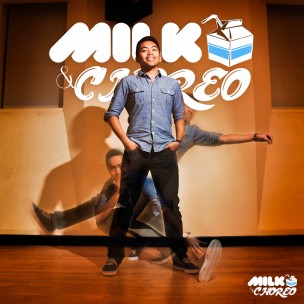
    Leo Enverga: I’m currently director of the FUSION Dance Crew and X-Tacy The Collective, which are both hip-hop groups on campus. I’m also president of the PINOY club, which is the Filipino cultural association, and last semester I founded an organization called Milk & Choreo, which promotes communication and interaction between the entire dance community at Wesleyan. We offer free hip-hop workshops for all levels, especially catered to beginners or people just getting into dance. For the most part, that’s what I’m leading. I like to get involved as much as possible, especially in my younger years at Wesleyan. I think that goes for all freshmen and sophomores—you just want to try everything out, and that’s kind of how I started dancing.


    A: So you didn’t dance before coming here?

    LE: No, not at all. Honestly, when I first stepped onto Wesleyan’s campus, I had no idea I was going to be doing what I’m doing today. It wasn’t until the second semester of freshman year where people just started forcing me to do all these random dance pieces and cultural shows, and then I got strong-armed into auditioning for this hip-hop group. I was first going into it with no dance experience; I obviously knew I was going to make a fool of myself. Based on my recollection, I totally did make a fool of myself. But I guess the heads saw potential, and I just stayed with it, and I realized it was something I loved to do, because dance is such a great way to express yourself and the art form itself is just beautiful. And I think I learned a lot about myself by getting into dance.


    A: Like what?

    LE: Mainly that I was capable of being this sort of figurehead, and this leader, and someone who was able to think bigger and make bigger things happen and make changes on campus. So, for example, I was just really lucky that in freshman year, I had no dance experience, and I just got thrown into the dance world by luck. But maybe, like, 99 percent of the campus doesn’t have that kind of luck. And that’s why I started Milk & Choreo, just to give people that encouragement and that opportunity to work on themselves and build up self-esteem. Because people deal with a lot of bullshit, and usually that comes from themselves.


    A: So you think dance is a way of overcoming that?

    LE: Yeah, I do. From personal experience, that’s totally what I’ve been doing. So I’m grateful to dance for that.


    A: What’s the process of starting Milk & Choreo been like?

    LE: God, it’s been amazing. We started planning as soon as we got back from winter break, and it officially started in February [2013]. But it’s been great. I mean, I’ve been meeting so many new people, people who are just super excited. People just want to dance, to be honest; people just want to have fun.

    It’s crazy, actually. This person sent us an email, literally yesterday—we just had a workshop yesterday, and right after class, she emailed us talking about how great her experience was with Milk & Choreo, and it legit made me bawl. That’s exactly what I wanted to hear from someone who went to our workshop. She was like, the environment is so supportive and positive, and she’d never thought she was able to call herself a dancer, but now she’s easing herself towards it. And it’s so exciting, seeing people come out of their shells. I never in a million years would have thought that I could give people a space where that was possible. I think that’s the most exciting part about it.


    A: So you choreograph but also participate?

    LE: Yes. So, each week, there’s a different choreographer or teacher, so when we’re not teaching, then we’re just in class with everyone else. I think that’s what one of the cool things about our workshops is: it’s beginner’s dance with people who’ve had experience. So everyone’s in the same room, everyone’s doing the same thing, grooving out to the same thing, so there’s no barriers between everyone. And it’s really nice; it’s really encouraging, especially for someone with no experience, to dance with people that you see perform on the stage. I think that totally helps with self-perception.


    A: And do you get people who do have dance experience coming by as well?

    LE: It’s a combination of both because even for me, I think it’s super important to stay humble. Like every single person that’s dancing, I think I will constantly be learning. I’ll never be a master of dance or anything, because it’s a changing art form, and there’s so much to learn.


    A: Does Milk & Choreo put on any shows, or is it strictly a workshop group?

    LE: It’s primarily just for learning. We think that by not having performances, it kind of helps alleviate that stress of, ‘Oh, shoot, I have to perform if I do this thing.’ So that’s one of the benefits of doing it. You don’t have to audition for it, you don’t have to perform. It’s no stress, just dance. We kind of allow people to grow within the space, so that they can join those types of groups that do perform.


    A: How do you choose what you’re going to do during a workshop?

    LE: It’s something new every time. Each class, we try to focus on a different technique or style or some sort of theme that has to do with dance, so it could be a technique like popping or waving or locking, or just learning about musicality or having presence in a dance. It changes up every week; the song changes every week, so hopefully we hit someone’s favorite song sometime. This first class, we did N’Sync’s “Pop,” so kind of a classic, I think. We try to prepare as much as possible.

    It is still a relatively new organization, but I think we’re doing pretty well right now. We’re pretty grounded. And because we’ve gotten these workshops pretty set, we’ve actually got a bunch of really awesome new plans coming up. I’ve had huge visions for the future of Milk & Choreo that I hope we get to next semester. Things like getting professional [dancers] on campus…teaching us and performing for us, just because the dance that we get from Wesleyan is pretty confined, I’d say. So I’d love to bring that over.

    [Dance] is really popular in other schools and in other states, so I’d love to get people to see it and hopefully appreciate it, and I guess the next step would be to join it and try it out. It’s always more fun with more people. The freshmen this year, the turnout has been amazing in terms of dancers. It made auditions incredibly difficult to decide on, because there were so many good people this year. That was really exciting. It was a struggle, though. We actually had to deny good dancers, because there are so many now.


    A: Tell me about the other groups you were talking about.

    LE: I’m also leading the Filipino cultural club, called PINOY. We try to celebrate the culture of the Philippines, try to fundraise for things, because as a third-world country, it’s still developing, and there are constant issues that we’d like to support. Ever year we have a late-night sale, which is happening again this semester, and a cultural show that happens in the spring semester, and that’s always a good time.


    A: Being from the Philippines, had you been to America before coming to Wesleyan?

    LE: I’d visited a few cities, but in terms of Wesleyan, orientation was the first time I’d set foot in Connecticut.


    A: So what made you choose Wesleyan?

    LE: A scholarship, actually. There’s this thing called the Freeman Asian Scholarship that’s given to one person per country out of eleven Asian countries, and I was fortunate enough to get the scholarship my year. I think having something like that—having a scholarship to support you—helped push me to really try and give back to the Wes community. I think that was a prime drive that influenced how I worked at Wesleyan, so yeah—I hope I’m doing a good job.


    A: In related news, what’s your major?

    LE: I’m a psychology major. I’m pretty much done with that, so I’m taking all these really interesting classes, like music classes, an architecture class, which is actually really interesting. In terms of music classes, I’ve taken Korean drumming, Taiko, Ebony Singers, and West African drumming. I think that’s it. But I’ve taken them several times already.


    A: Do you find yourself bringing dance into these music classes?

    LE: To be honest, actually, before coming to Wesleyan, music was my big thing. And I think that kind of helped in terms of picking up choreography and knowing nuances and little things in music, so I think that really helped me succeed in dance. But yeah, it’s weird, thinking about this past me that had no idea. I was completely different before Wesleyan.

    I definitely grew from having taken on all these things these past few years. I definitely pushed myself. I know, just last semester, which I’ll never do again, I remember counting in the span of, like, five weeks, from April to May, I had 17 performances. I’m pretty sure I died at some point during that. But yeah, time is pretty short at Wesleyan, so I’m just trying to get as much as I can out of it.


    A: How’s senior year going so far?

    LE: Senior year’s good. My main focus this year has kind of been continuity and passing on things after I graduate, because I don’t want all these things that I’ve built up to fail after I leave. I’m doing my best to pass on responsibilities, as hard as it is, because I just love doing the things that I’ve been doing.


    A: What about the other dance groups you mentioned?

    LE: X-Tacy and FUSION are both hip-hop groups. FUSION’s focus is more taking on different styles of hip-hop, because hip-hop is just extremely broad. There are so many styles within it, and we like to have different people in different styles to use them and combine them somehow, and it always works beautifully.

    And X-Tacy is also a hip-hop group that has this kind of added sexy factor. We have an annual show called Sextacy. It’s really funny because X-Tacy was the hip-hop group that I auditioned for in freshman year that accepted me, and so the first thing I found out when I got in was that the first show that we were doing was called Sextacy, and I was like, “Ahhhh, what do I have to do?” I was one of two guys in this group of, like, 10 or something. And as a naive freshman, I was a little intimidated. But, I mean, Wesleyan teaches you to broaden your mind, to gain self-confidence. I’ve definitely done that. Or, if not self-confidence, then at least to fake it till you make it. That’s a big thing that I’ve learned.

  • WesCeleb: Will Dubbs ’14

    William Dubbs ’14 wants to try everything. In his last year at Wesleyan, rather than working on a thesis or a final project, he plans to dive into every bit of campus life he’s always wanted but never had the time to try out. He hopes to make the most of his last year at the University, especially after taking a semester off in his junior year to work.

    Dubbs talked to The Argus about his experience working for the Obama campaign in Florida, taking part in a New York theater festival, and his goals for this coming year.


    The Argus: What makes you a WesCeleb?

    William Dubbs: When you’re a freshman and you read the Argus and you see WesCelebs, I feel like everyone always wants to be a WesCeleb. It’s kind of like, the Wesleyan Dream is to be a WesCeleb. “What do I have to do to be a WesCeleb?” I guess I’m almost dumbfounded, I don’t even know.


    A: What do you do around campus?

    WD: I’m in a fraternity, AEPi, which is awesome—you meet a lot of great people through that. I’m involved in the theater community at Wesleyan. I’m doing a scene for a class and I did one two years ago, and I’m also writing one for the 24-hour plays this weekend, and I wrote a play that was in Second Stage freshman year. Government’s my major; I do a lot of Government-related things. I also am a TA for a QAC [Quantitative Analysis Center] class, and I guess I do pride myself in knowing a lot of people around campus, and I really like that.


    A: Tell me about your theater interests. How’d you get into playwriting and involved with it on campus?

    WD: When I was a freshman, I took an introduction to playwriting class. It was an amazing class and I met some of my best friends, some people I even live with, in that class. And we all had to write a play, and I did a lot of theater in high school, so I was just interested in seeing what playwriting was like, and I wrote this play and my teacher thought it was really good and encouraged me to do things with it.

    I got invited to perform it in a tiny little theater in New York City that Wes students performed in and directed, and then it was performed again on Second Stage. The play was called “Dead Sharks,” and it was about a guy and a girl going on a date and what’s going through the guy’s mind on the date. It was a lot of fun to do, a lot of fun to write, and a lot of fun to be part of the process.

    It was just in this tiny New York City theater—which is now a converted haunted house, I saw the other day, it was really funny. There’s this festival and I submitted to it and it got accepted, and it was an absolutely amazing experience. We sold out a couple of nights. It was a lot of fun.


    A: And now you’re going to force yourself to write a play in a day?

    WD: I’m going to force myself to write a play in a day. I’m very excited. It will involve probably a lot of energy drinks, which I’m thoroughly excited about. The 24-hour play process seems just like a really cool idea, and it’s really competitive to get a spot, you just have to be very good at sending emails very quickly. Luckily, I have that skill.


    A: You’re a senior, so do you have any final year projects, theses, or anything you’re working towards or planning to do?

    WD: Not really, and I think that’s the beautiful part of it. You see so many people do senior years where they have so many things on their bucket list. The thing is, I kind of have an idea of what job I’m going to do after college. Wesleyan is such a gift that I just want to make sure every single day I do something different and do something cool with it.

    So I’ve been doing a lot of things that I’ve never done before, getting a part of clubs or classes or getting more involved in student leadership positions. Like getting trained to walk people from their car to an abortion clinic, so they don’t feel uncomfortable walking near protestors. I’m going to be pledge master for the fraternity, to help young kids grow into adults through the process. I’m taking film classes; I’ve never taken a film class at Wesleyan, I felt like it was time. I’m going to be part of this scene, playwriting, [which] I haven’t done since freshmen year.

    I’m just trying to make the most of my senior year, because you see so many people going out of senior year and they’re like, “Fuck, I wish I could have done more. I just smoked pot all of senior year.”


    A: You said you had an idea of what you wanted to do after college. What’s your plan?

    WD: I want to go into political campaigns. I’m actually graduating in technically seven semesters, because I dropped out of school my junior fall, because that June, I moved to Florida to work for the Obama campaign. I worked for the campaign as a paid staffer, and I ran the voter turnout operation in this small city in Florida, which was a really incredible experience and something I found very fulfilling and found was a bunch of my interests. I’m going to try and continue doing political campaigns and specifically grassroots campaigning on the ground and engaging with communities.


    A: Do you think your experience, putting everything into this campaigning, helped you figure out what you wanted to do and how to get there?

    WD: I’m very lucky, at an early stage in my life, to have some sort of sense and find something that I really care about and really enjoy doing, and I get a sense of efficacy out of it. I did it, and it was just something I found I was good at and very much enjoyed, and it’s what I want to do after college.

    Some people go abroad and it’s like, that’s [their] vacation; my vacation is Wesleyan. I came from a job, and [now] I get to relax and make the most of Wesleyan. It’s helped my Wesleyan experience as a whole.


    A: How did you come across the job, and what did people think of it?

    WD: I worked in New Hampshire as the equivalent of an intern the summer before, and I excelled at that…. I was recommended for a position as a field organizer, and they just said, “Apply.” So I applied and I got offers from Ohio, Colorado, Florida, and I decided on Florida. It was a tough decision. I love being at school more than anything ever, so it was very tough to turn that down and throw myself into another world, but it ended up okay.


    A: What have you not yet done here that you’re looking forward to in your last year?

    WD: I’ve always wanted to be part of a band, yet I have no musical talent, so I’m not really sure how that’s going to play out. We’ll see. It hasn’t stopped people before.

    I’m also in a stand-up comedy group as well, called Punchline, so I definitely want to do more stand-up. I was actually thinking the other day that I have to do more stand-up. It’s really fun being part of this collective; you can just roll up to open mics and be like, “Okay, I’m gonna do some time.” It’s really fun. And, again, I have no musical talent, but I like to perform at open mics, so I’m not gonna be one of those kids with a guitar.


    A: Anything else you want to say about yourself?

    WD: Being a WesCeleb is like a dream come true, honestly. I don’t know if you want to hear a secret, but I was wait-listed at Wesleyan. I wrote a letter to the Dean of Admissions—Nancy, beautiful woman—and I wrote a letter to her being like, “If you don’t accept me to this school, I will go on a murder spree….” I don’t know what I said, actually. I was just like, “I need to go to this school. This is the school where I will become a real human being, a person that I want to be. And not going to this school is not in the cards, I don’t even accept that as a possibility.” And, thank god, I got accepted off the waitlist. So every day at Wesleyan, every single day, is like a goddamn gift for me.

    All I want to do is make the most of every single minute I have here, because leaving here is going to suck. That’s why I love being a WesCeleb, because I feel like I really appreciate what Wesleyan has given me.

  • WesCeleb: Jalen Alexander ’14

    Jalen Alexander ’14 is a modern-day Renaissance man. With intellectual pursuits that range from statistical consulting to sociology, long-term aspirations that include educational policy and psychology, and weekend plans that just might include DJing a campus party, Alexander dabbles in nearly everything.

    Parked at a table outside Usdan, Alexander took twenty minutes in his insanely busy schedule—his afternoon included two other meetings, a dinner obligation, and a workout—to discuss racial profiling on campus, the possibility of his going into politics, and being the valedictorian of his Missouri high school.


    The Argus: Why do you think you’re a WesCeleb?

    Jalen Alexander: I think that throughout my years at Wesleyan I’ve been involved. I started early during my freshman year in various student activist groups, and that kind of developed; my name spread throughout the years. I started in my freshman year taking leadership in Ujamaa, which is the student of color organization on campus. So I joined the board my freshman year, and since then it’s expanded into Residential Life. I’ve done a lot of work with the WSA, and now I’m on the board of Invisible Men, so I kind of have my hands in a lot different things.


    A: What’s the most exciting thing you’re doing right now?

    JA: I think all of the things I’m doing are exciting. Since it’s senior year, I kind of have to put everything out there that I can, so it’s a really big year for me. Over the years I’ve decided to do the things that I’m passionate about and really love to do, so with some groups I’ve had to take a step back.

    I’m on the board of Invisible Men, and that’s a really big priority for me, and I’m the head resident for Bennett, Clark, and 200 Church. I believe in developing RAs so that they’re better and better every year. So those are two really important things for me. Also, the Traverse Square tutoring program—I’ve been a coordinator going on my third year, and that’s a very important thing in being involved in the community for me.


    A: What’s Invisible Men?

    JA: It’s a male [student-of-color] student organization. We’ve been around for quite a while. We do a lot of student activism both in the form of mentorship, so bringing in freshmen and sophomores coming into Wesleyan, making sure they feel welcome in the community, and we also do a lot of activities throughout the year. One thing we did last year, which was a really big hit, was we threw a party with the local fraternity and all the proceeds—[we raised] money and we gathered canned goods and boxed goods—went to local families in need for Thanksgiving. So we do different events like that. And I worked on a collaboration with Traverse Square and Invisible Men. We do a lot of work in the Wesleyan community, making sure people feel welcomed in and invited, but also branching out and working with other student groups.


    A: What makes being a man of color at Wesleyan challenging?

    JA: I think there are a lot of invisible—ha, no pun intended—challenges that we face. I think one challenge we faced last year, which led up to the student forum “Diversity University,” was that racial profiling was happening, and we weren’t really sure who to go to about those issues. You know, public safety issues weren’t very transparent, so there were many issues on campus just as far as feeling welcomed going places. We face the challenge of making sure these issues are known, and that they are still relevant today, whether it’s in the classroom or in the dining hall, or in residential spaces.


    A: Can you think of a specific time when you or someone you mentored felt unwelcomed here?

    JA: There are things as little as when you’re walking down in front of Exley and you see someone cross the street because they don’t know you. So little things like that to larger things on campus, like being asked for your WesID by Public Safety. For some people it’s a daily occurrence, but for me I’ve had the benefit that many people know me on campus, so there’s less of a fear of stigma. But with Public Safety [officers] who don’t know me, it’s an issue.


    A: About your involvement with Residential Life: Would you like to see more program housing for younger students, or is it good the way it is?

    JA: You know, I think there are benefits to waiting for your sophomore year to do that. It’s hard to strike that balance because I think it would be great for freshmen to enter into these communities, but then I can also see the benefit of giving them a chance to find themselves in the context of Wesleyan, which can be a very hard thing to do, and then say they want to experience a community-based living house.


    A: What do you study here? What’s going on in the classroom?

    JA: I’m a psychology and sociology double-major. I also do a lot of work for the QAC, which is the Quantitative Analysis Center, so right now I’m a TA for a data analysis class. It’s my third time TA-ing this class, and I also TA “Statistical Consulting” in the spring, so that’s really been my academic focus: using statistical and data analysis to do more applied work in both psychology and sociology.


    A: Does your knowledge of psychology change the way you think about racial profiling?

    JA: I think it gives me a backing in understanding how it affects people, so being able to have conversations with people and empathize even if there are some things that I haven’t experienced. I’ve had certain experiences as an African-American male who identifies with African-American culture at Wesleyan, but there are certain cultures that I don’t necessarily identify with, so being able to empathize and have those tough conversations even when I don’t exactly have that life experience has really helped in both psychology and sociology.


    A: So what’s the next step for you?

    JA: That’s a big question. Ultimately I want to do a JD-PhD program, so continuing in psychology for the PhD and also doing law.


    A: What kind of law?

    JA: Educational policy. I’ve been thinking about taking off a year or two to do a—well, I don’t want to name a specific program—but doing a Teach for America-esque program to get in-the-classroom experience. I think having the experience in the classroom will be great to then translate and inform the policy decisions I make.


    A: What were your own educational experiences before Wesleyan?

    JA: I came from a really poor background, both socio-economically and academically. My school was on the verge of losing accreditation every few years. I graduated valedictorian, but I graduated valedictorian of a school that wasn’t as academically rigorous as it could have been, so it was challenging to come to Wesleyan…. My first semester—my first year—it was hard to adapt to that and forced me to get on my game early.

    I also had the opportunity to do a program called LEDA, which is Leadership Enterprise for a Diverse America, going into my senior year in high school, and we did a tour of schools in the Northeast. Wesleyan was one of those schools, and I kind of just felt at home here. Before LEDA, I didn’t know what Wesleyan was, so I think being able to come here was a great opportunity to step out of my comfort zone—I’m from Missouri—and get that education.


    A: Do you think that you’ll return to Missouri at some point?

    JA: Yeah. That’s my ultimate goal, to use the experience and the knowledge and also the resources that I’ve gained, to work in the educational field and improve that situation back home, but also to further engage the community. There are a lot of opportunities around, but a lot of resources aren’t tapped into. It’s so different being in the Northeast for so long, and I want to stay here for graduate school, but my ultimate goal is to help the community.


    A: Are politics in your future?

    JA: I don’t know. If I see that as the best way to affect change, I’d entertain it at that point. My ultimate goal is to affect change in the community but also in the wider world, you know, if I want to be that grandiose.


    A: Is there anything else that I didn’t ask that feels important?

    JA: I have a very eclectic background. I do a little bit of everything. And I think that that’s what’s been able to sustain, over the four years, my still being relevant. [Laughs.] Because it’s hard—some people get stuck in one thing, and they’re known as the person who does this. It’s good that Jalen isn’t just the person who tutors kids—and that’s a great thing to be known for—but he’s also the Jalen who likes to have fun and be the campus DJ, and work in Residential Life to build community. I try really hard not to be fit into a box.

  • Naya Samuel ’14 Sheds New Perspectives on Dancing

    It seems that Naya Samuel ’14 knows everybody on campus. During our walk from Usdan to her house behind Pine Street, she waved to no fewer than 22 people passing on the sidewalk or driving by in cars. Still, though, this DanceLink Fellow refused to believe that she was a big deal.

    “I think people just see me because I work at WesWings,” Samuel said.

    On the grassy knoll outside her cozy and secluded three-story home, we sat down to chat about popping and locking, fetching coffee in Brockport, NY, and “So You Think You Can Dance.”

    The Argus: What do you think makes you a WesCeleb?

    Naya Samuel: Whoa. Okay, I wasn’t ready for that. Honestly, I think it’s just because I work at WesWings, and people see me when I take their order. That’s it. [Laughs.]


    A: How did you get involved with dance at Wesleyan?

    NS: Well, I knew I wanted to dance at Wesleyan as soon as I got here. I just wasn’t sure if I wanted to be a major or not. Halfway through my sophomore year, my friend Kelsey, who just graduated, convinced me to check out the major, and the rest just kind of fell into place. The major’s pretty small, so you have more opportunities and more options to make bigger pieces without anyone being worried about the length of the show.


    A: Do you remember the first dance class you took here?

    NS: Whoa! Yeah, I took Hip-Hop II, by Clyde Evans. And it was incredible. We were learning popping and locking and stuff from the ’70s that no one does anymore, but it’s crucial to the hip hop that we do now.


    A: What else are you interested in?

    NS: I don’t know. What else do I do here? I kind of just dance and work at WesWings. Yeah, dance kind of consumes all my time here. Because, apart from the major and shows and whatnot, there are the student-run dance groups that I’m in. I’m in Fusion and Precision, so there’s an extension of dance in that part of my life–the optional part–and then I also am running Burlesque this year, which is also obviously dance-related, so it extends out to that part. It just kind of disguises itself in different ways in my life, but it’s pretty much all I do here.


    A: How do people react when you say you’re a dance major? How did your parents respond to it?

    NS: I think my mom is happy that I’m majoring in something else too, honestly. I’d say there are mixed responses to it—some people are really positive, because they like “So You Think You Can Dance.” Some people are confused by the dance major, and some people don’t take it that seriously. But I do, so I guess that’s what matters.


    A: Do you watch “So You Think You Can Dance”?

    NS: I’m not a big fan of “So You Think You Can Dance.” Don’t get me wrong—I enjoy it when I do watch it, and I think the people on there are really talented, but I think it’s such a one-dimensional view of what makes good dance, and it promotes the view of commercial dance as the only acceptable form of dance. It does some work against the whole profession moving forward and becoming mainstream.


    A: What forms of dance are you primarily interested in?

    NS: Here I mostly do modern and hip-hop, but I’ve done West African and ballet, and a hodgepodge of things. I figured out I wanted to start dancing senior year of high school, which is pretty late, so as soon as I figured it out I just took as much as I could in as many different genres and hoped that somehow that would make me catch up faster—just being versed in more styles. I used to take Afro-Brazilian Samba a lot, which was fun.


    A: What did you think of ballet?

    NS: Well, I knew I needed it. It’s like the ABCs of dance. No, that’s not what I meant to say. I understand how important ballet is, so I wanted to have some kind of a grasp on it, and get some of the vocabulary, because that’s used in all different genres, not just ballet. But I think it can be a little constraining, and uptight. But it’s beautiful, and I really like it.


    A: About the DanceLink fellowship [for which there was a summer internship with a dance company, followed by an ambassadorship at Wesleyan this fall]: Were you dancing? Getting coffee?

    NS: Well, the first month was a combination of dancing and getting coffee. I went upstate—the company is Doug Varone and Dancers, and I went with them to their annual workshop, which is in Brockport, which is about six hours away. So I lived up there with them for a month, and in the morning I got to take classes and in the afternoon and night I became staff. And then when I got back to the city I helped them out in their New York office, which was filing. Lots of filing.


    A: Did you learn a lot about dance?

    NS: Yeah, definitely. The classes were really incredible, and the company is only eight dancers, so everything was really intimate, and they were so open and eager to share the knowledge that they had. A lot of us were also seniors, or had just graduated, so we were really nervous about what role dance would play in our post-college life. So they were really focusing on those kinds of questions and giving us that kind of advice, which was awesome. It was like a how-to guide.


    A: So you think you’ll dance after college?

    NS: Yeah. That’s a tricky question that I’m still debating. Definitely whatever career I go into will be in the dance world, at least I hope. I’m not sure. Dancing in New York City is tough. It’s definitely tough. I’d like to, though. I’ll definitely take classes no matter what.


    A: So you’re working on a thesis this year? Any ideas?

    NS: Well, I guess I’m still in the clarifying process, and really articulating what I want to do. But at this point I think I’m working with John Berger’s “Ways of Seeing.” I’m looking at our different perspectives—literally, as in the way you see me when you see me dancing on stage, and if I happen to catch your eye in the audience what I think of when I see you—and then of the flip side of that, where it’s what your gaze is, so what standpoint you’re coming from and how that’s affecting what you can see. So yeah, we’ll see how that goes.


    A: For dance majors, are theses written out or danced out?

    NS: Both. It’s a two-semester process. You make a dance each semester and at the end you write your thesis. I guess you should be working on it the whole time, but it’s due at the end.


    A: Do you usually choreograph by yourself, or do you bring in help?

    NS: I like to make a lot of pieces with the dancers once I have them, because I think that nobody knows somebody else’s body well enough to make movement for them without them actually doing it.


    A: One last silly question: How has your dance training informed your social dancing? I mean, you have all these dance moves, and then when you go to parties is something else expected of you?

    NS: You mean like grinding? [Laughs.] It haunts me. It really haunts me. I feel like I sometimes do feel shy to dance at parties—and sometimes I totally don’t, don’t get me wrong—but sometimes I feel like, “You guys are expecting a thesis, and I just want to dance to Jay-Z.”

  • WesCeleb: Jess Best

    c/o Jess Best

    Jess Best ’14 is an unstoppable forces of music at the University. A music major and constant performer, she can be seen in any number of bands at a single time. Her current projects include Sky Bar, a soul band; and King At Bay, an indie folk collaboration with Mel Hsu ’13.

    Now that she’s a senior, however, Best’s ambitions are greater than ever. She sat down to talk to The Argus about recording music, the issue of diversity in the Wesleyan music scene, her upcoming thesis performance, and her search for new collaborators in the Class of 2017.


    The Argus: Why do you think you’re a WesCeleb?

    Jess Best: Why am I a WesCeleb? That’s funny. Initially when I was asked to be a WesCeleb, I asked myself that same question. I think it’s mainly music, just because I will play as much as I can around campus, and so I think that is the biggest contribution I’ve made to Wesleyan.

    A: I know you’re in a few bands—I can’t keep track of them because they keep changing their names and adding and subtracting members. The last I heard, you were in King At Bay with Mel Hsu ’13, and you used to be in a band called Blackbird and the Cherry Tree. What draws you to music, and why are you in so many bands?

    JB: I can’t say “No.” That’s something I’ve learned about myself. If someone’s approaching music in a way that feels open and real then I can’t say no to them, which is why I’ve been kind of oversubscribed for a while. Also, one of my goals at Wesleyan was to try out every kind of music I could possibly try, and I think that kind of translated into being in a lot of different bands because they all have different sounds.

    A: You sing, but what other things do you add to a band?

    JB: I play piano, and I write.

    A: How long have you been involved in music?

    JB: Since I could think, I think. It all started with dance. I was obsessed with dancing when I was little, and that brought me into the arts. Then I started singing, I did a lot of musical theater, and then I started writing. And that, I think, is what brought me to music rather than theater, because I love singing, but I really enjoy writing and singing things that I write, or writing things for other people.

    A: How did you get started in the Wesleyan music scene?

    JB: Honestly I feel like I have so many people to thank for that, because I came to Wesleyan and it really felt like the people who were here were just interested in creating a collaborative environment and welcoming you with open arms. I put myself out there a little bit, which is scary, and then people were right there for me.

    A: Are there any particular instances you can think of when that collaborative attitude really stood out?

    JB: I’m in a band [called] Sky Bars also—it’s more like a funk/soul/R&B band—and I would say that the evolution of our band is pretty amazing to me, just because it started out [with] a lot of covers, and then I brought a bunch of my songs in and we were doing those, but then it just opened up. We wanted everyone to be involved in that process, so literally everyone in the band was writing and coming up with ideas and contributing, and I feel like that’s just been a really cool evolution of a band.

    A: Are you still together as a band?

    JB: Yeah, we’re performing and recording soon.

    A: What are you recording, and what’s that process like?

    JB: We’re going to record over Fall Break at my house. I don’t have a recording studio, but Jared Paul [’11] set us up. We haven’t been together this summer, so we still have to figure out what kind of a set we want for the recording, but we’re just going to try to do as many originals [as we can] and just shack up in my house for a few days.

    A: What’s the intended output?

    JB: To be honest, we haven’t really talked about it, but I assume we want an album.

    A: You’ve had previous experience with recording with King At Bay. You guys put out an album at the very end of last year. What was that like?

    JB: That was probably the smoothest recording process I’ve ever experienced. Mel and I both had recording experiences that we really learned from. Mark Bennett [’13] and Sam Friedman [’13] are also in the band. Mel and I met up prior to the actual recording process and just nailed down form, nailed down the different parts, and just really had our shit together. And also thanks to Sam and Mark for being troopers and amazing musicians. I think also we had developed our sound enough that we knew what we wanted. And Jared just brought the magic.

    A: What’s it going to be like this year, now that you’re the senior and a lot of your past collaborators are not at Wesleyan anymore?

    JB: It’s funny, because I met up with King At Bay the day before I came here, and it just kind of hit me that a bunch of my strong musician friends aren’t coming back with me. At first I felt pretty sad about it, but I’m actually really psyched to give back in a way. I’ve had the blessing of being brought into so many projects, so I’m really excited to take on that role.

    A: Looking for new collaborators in the Class of 2017?

    JB: I would love to meet underclassmen. I feel like it’s pretty hard to meet underclassmen, and it’s funny you say that, because, coming to Wes this year, that was probably my number one goal. Just to at least meet one person who I can collaborate with or just help in any way, who’s into music, because that was so special for me, and to be honest, I don’t really feel like I’ve taken on that role yet.

    A: There was a big controversy at the end of last year, where a lot of people were concerned about the lack of leadership or visibility of female musicians and female band leaders, especially in the Wesleyan community. As someone who not only leads bands but works in other people’s bands and writes your own music, playing an instrument as well as singing, what do you think is the best thing Wesleyan can do to support more people like you?

    JB: It’s definitely not a non-problem; it exists. I’m a music major, and the ratio is insane. I’m probably one of a handful of girls in every one of my music classes. I just think it’s a really hard issue to tackle because there’s been some effort to create all-female bands who have a mission to tackle that. But then, I think, the point becomes the issue, not the music. For me, as a female musician, I just try to work hard all the time and bring out my strengths through my passion and working really hard.

    I think that there are a lot of underlying tensions in the music scene here at Wesleyan, just because I think that a lot of females, first of all, feel intimidated by the fact that it’s male-dominated. I think that Wesleyan needs to provide more spaces for jamming. It’s insane that Wesleyan prides itself on being so filled with music, yet there’s one band rehearsal space, and it’s booked dawn until dusk, all the time. I think that Wesleyan really needs to invest in creating music spaces where people could just happen upon each other and meet people they wouldn’t normally collaborate with so that it makes the entire music scene just more malleable and open and porous.

    A: If it were easier to enter the Wesleyan music scene, then would the issues of diversity within it be a lot easier to overcome?

    JB: I think if there were creative spaces that were open and accessible, then it would be really different. I have a lot of friends who love to sing but say, “I don’t have any musicians who will play with me. That seems like a big issue. Even if it were a facilitated space, if students volunteered to facilitate different pairings of people, that would be so cool. [The] Mash is amazing; I think that’s a good step. I understand why there are different bands playing, but I remember last year, it was so cool when the stages weren’t booked because people would just get up and do their thing and it wasn’t planned—it was impromptu and natural. That seemed like it worked really well.

    A: Is it returning this year?

    JB: Yeah, it’s Friday, on [Sept.] 6. Sky Bar is playing.

    A: Will you be having impromptu performances as well?

    JB: I hope so! I can’t say because hopefully it will be unplanned.

    A: As a senior, what else are you doing in your last year here? Are you doing any theses or overall projects or anything to wrap up your time here?

    JB: I am doing a recital, actually, this semester, on Nov. 22.. I’m really excited about it, because I have never had this time set to create something for the stage, and it can be whatever I want. It’s really challenging me in a way that I’m really excited about.

    A: Do you have a plan for how you’re going to organize it?

    JB: Yeah…I mean, no. I am learning a lot about myself. It’s interesting, because a big part of the process has been figuring out my approach to the process, and at first I was thinking about how I wanted a theme, it needed to be cohesive, I needed to think of what kind of sound I wanted. And then I realized that I just need to start writing, and thinking about things I have never done before but I have always wanted to do, and then whatever thematic ideas or cohesion will come from that, because that’s just how I always work. I’m not the kind of person that can be like, “I’m writing a song now, and then write a song that I really like. A lot of times, it’s that same flow where it’ll come out and then I think about it. I think that a lot of times, your first idea is the best idea.

    A: If your final performance is at the end of this semester, what’s after that?

    JB: Well, I am not positive, but I’m thinking of graduating this semester but then maybe living in Middletown. I would love to keep recording with different bands, but King At Bay is definitely going to pick up after my recital. We definitely want to do a show at Wesleyan soon, and we are trying to spend this time of not performing just building up our set and writing a lot more material and kind of developing our sound a little more. I would love to get into maybe music production a little more. I brought a little home studio setup to my senior house, and I am excited to dive into that. And just play as much as possible. I think, more than ever, I’m realizing what an amazing musical community we have here, and it’s just so rich. I want to take advantage of that.