Tag: James Cameron

  • A Shabbat Dinner To Remember

    A Shabbat Dinner To Remember

    c/o Jordan Scott-Weiner
    c/o Jordan Scott-Weiner

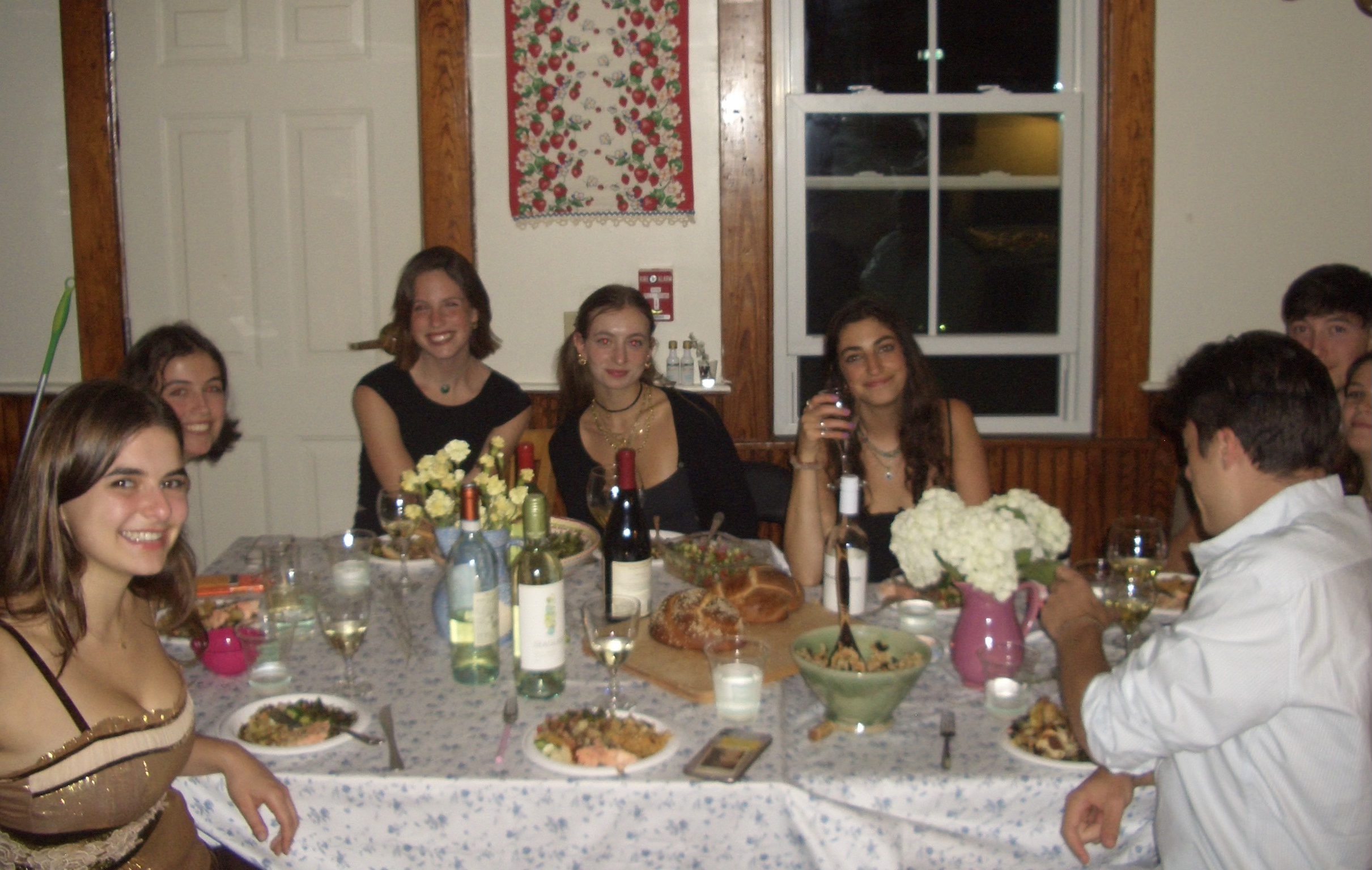
    Two weeks ago, my friends and I got together for a Shabbat dinner. It all began when my friend Sabrina [Seltzer ’24] suggested the idea, and before we knew it we were making the guest list and talking about what food we’d all bring. While the food was the main event, we were also going to try to be “good Jews” and make our parents proud by reciting prayers over the candles, wine, and challah. Most of us are not observant and identify more as culturally Jewish, but a few of us have Shabbat dinner with our families every week. There were also some of us who had never been to a temple or had B’nai Mitzvah. It was clear that food was a key component of all our Jewish identities and was something we were eager to celebrate together.

    We planned the menu in our group chat, all of us wanting to contribute. Out of the eight of us, five cooked and two brought wine. Most of us don’t eat meat, and we struggled to figure out what to do protein-wise. Could we pull off a fully veggie-forward meal? Should we make a meat dish that only some could eat and leave the others to fend for themselves? Having a main dish that we could all eat felt like a unifying and core part of the group dinner. Salmon was what we landed on, but there was back and forth about who was going to take it on. I offered to do it, but with a warning: I had never cooked fish for this many people before. I did have an idea of what I wanted to do though: something lemony and garlicky and herby.

    First, we had to acquire the goods. Whole Foods really is a magical place: You can walk out with sheep’s milk yogurt and starfruit, or just frozen waffles and tortilla chips, and still manage to spend a fortune either way. Nothing but the best for my friends. I was on the hunt for salmon, but I had no idea how much to buy. Luckily, the friendly fishmonger told me that five pounds would work, and that is what I reluctantly purchased. And just so you know, that is a lot of fish. Like one and a half baking sheets worth. I figured it was better to have leftovers than to not have enough to feed everyone. Once we got home from the store, the kitchen in our house transformed into a flurry of chopping, juicing, mixing, and sautéing, all to the cozy tunes of Sinatra.

    What was served? After we mumbled through the prayers and laughed about how none of us really knew the words or the same melodies, we dug in. First, we had two challahs made with different recipes: one that used sugar and one that used honey and featured sesame seeds. Then there was couscous two ways, one with deliciously savory roasted mushrooms and one with tart, earthy sun-dried tomatoes. Accompanying this was broccoli salted to perfection with loads of garlic and a vibrant Israeli salad for freshness. Smashed potatoes with parmesan and garlic paired well with the salmon, that somehow was not an epic fail. I could barely fit the massive filets in my oven and was concerned that it would either be overcooked or completely raw due to the varying thickness. However, this variety also allowed people to choose their desired doneness. The oregano, basil, and thyme with the lemon and garlic harmonized with flavors in the dishes made by my counterparts. 

    Finally came the dessert course, highlighted by a crowd favorite: pumpkin cake with a cream cheese frosting to match the autumnal feel to the day, as it was one of the first chilly days of the semester and one that made us all pay attention to the changing color of the leaves. We also had a tahini shortbread with a salted honey ganache that was perfectly nutty and chewy. We spent hours reveling in the candlelight, drinking a few too many bottles of wine, and filling our bellies.

    When everyone was on their way out the door, it seemed like there was a mutual understanding that this was something we wanted to do again. Making food for your friends and sitting down to enjoy it with each other was something we felt grateful for. In the future, we hope to invite our non-Jewish peers so that they can see what it’s all about.


    Jordan Scott-Weiner can be reached at jscottweiner@wesleyan.edu

  • Kale Zucchini Soup With Corn and Coconut Milk: Cooking With Chef G

    Kale Zucchini Soup With Corn and Coconut Milk: Cooking With Chef G

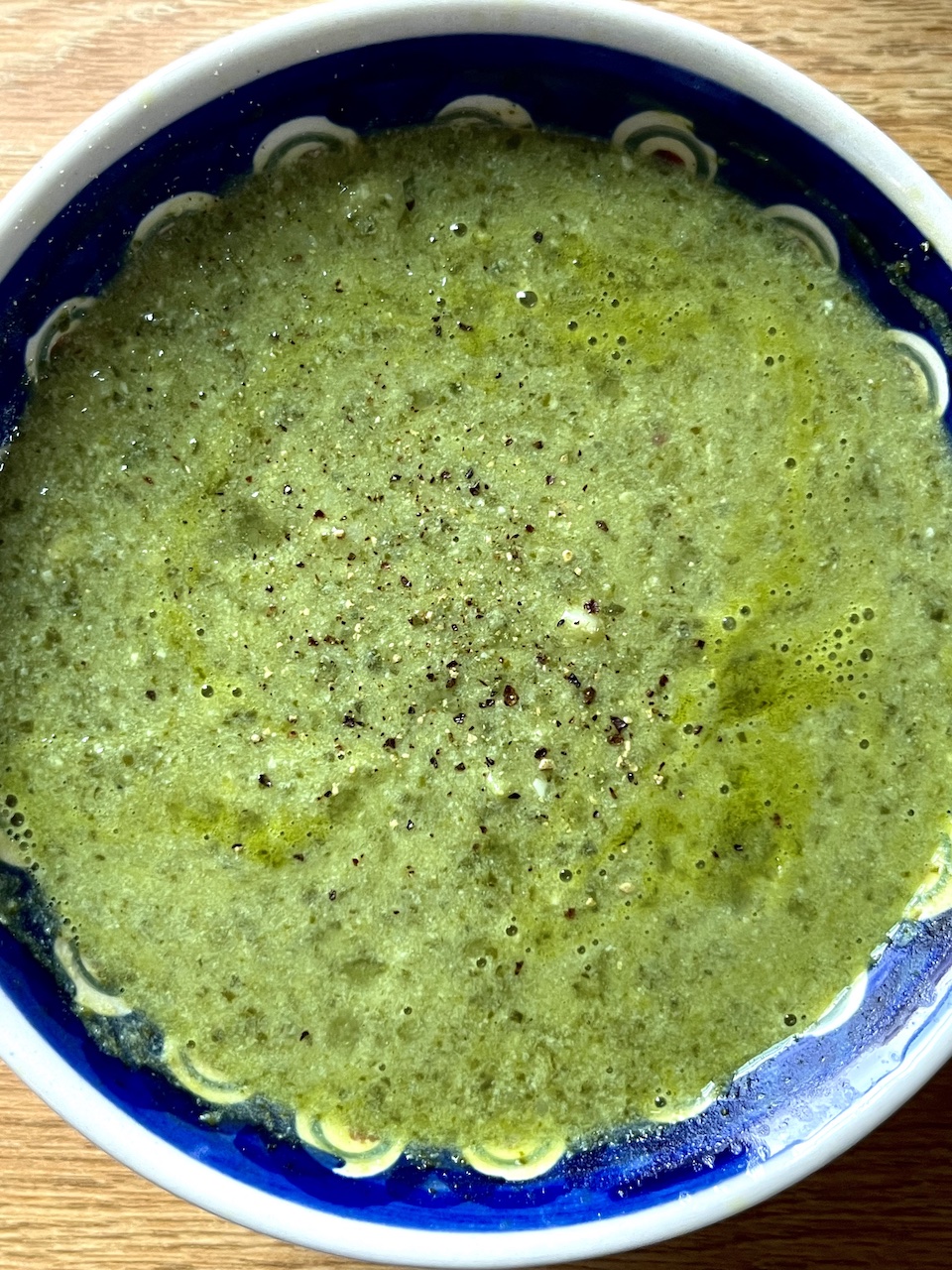
    A bowl of Kale Soup
    c/o Gemma Ryan

    This soup came out of a happy accident—a fridge full of bits and bobs that I struggled to use. Soups, especially blended ones, are foolproof ways of using up vegetable scraps that look uninspiring or tired. They are also easy, long-lasting meals that can you can keep in your fridge for busy work weeks when you need a quick lunch or dinner. I’ve since made this soup with a wide array of green vegetables and leaves, and I’ve also eaten it with added noodles and dumplings. 

    Ingredients 

    Serves 6-8

    • 2 tablespoons ghee, coconut oil, or sesame oil
    • 1 (1-inch) piece ginger
    • 1 large yellow onion
    • 1 large zucchini
    • 1 cup coconut milk
    • 4 cups chicken or vegetable broth
    • 2 heads corn
    • 1/2 bunch curly kale
    • 1 block silken tofu
    • 1 tablespoon fish sauce

    Instructions 

    1. In a large pot, melt the ghee, coconut, or sesame oil over medium heat.
    2. Grate the ginger and add to the pot, letting it cook in the fat for about one to two minutes until fragrant. 
    3. Add in roughly chopped onions and zucchini, salt generously, and stir to coat. 
    4. Let the vegetables sauté for three minutes before adding in the can of coconut milk and broth. Bring the liquid up to a boil. 
    5. Once boiling, reduce to a simmer and let the mixture cook for 10 minutes.
    6. While the pot simmers, cut the kernels of corn off of the cob and wash the kale. 
    7. After the soup has simmered for 10 minutes, add in the kale and let it wilt into the mixture. 
    8. Add in the block of silken tofu.
    9. Use a regular or immersion blender to blitz the mixture. (If using a regular blender, wait until the mixture has cooled slightly.)
    10. After the mixture is well-blended and smooth, add the corn kernels into the soup and simmer for another five to seven minutes until the corn has cooked. 
    11. Finish it off with a splash of fish sauce.

    Gemmarosa Ryan can be reached at gryan@wesleyan.edu.

  • From Art History Dissertations to Mac ‘n‘ Cheese, New S&C Chef Stephanie Payne Maintains Old Traditions

    From Art History Dissertations to Mac ‘n‘ Cheese, New S&C Chef Stephanie Payne Maintains Old Traditions

    c/o Thomas Lyons
    c/o Thomas Lyons

    “Mild verbal degradation” was on the menu on Thursday, Sept. 28, at the Star & Crescent, an eating club run by members of the Alpha Delta Phi Society. The student-run on-campus dining facility frequently offers themed meals, and last week’s was “The Bear.” In a play on the mood and tone of the popular show, patrons could enjoy their green coconut curry with a side of anger management issues.

    New S&C chef Stephanie Payne delivered the theme well, as her urgent ridicules poured out of the kitchen and into the dining room last week. This demeanor, although characteristic of the heavily tattooed main character Carmen of “The Bear,” is contrary to Payne’s usual amiable presence in the kitchen.

    “I don’t need tattoos,” she said. “I just do the job.”

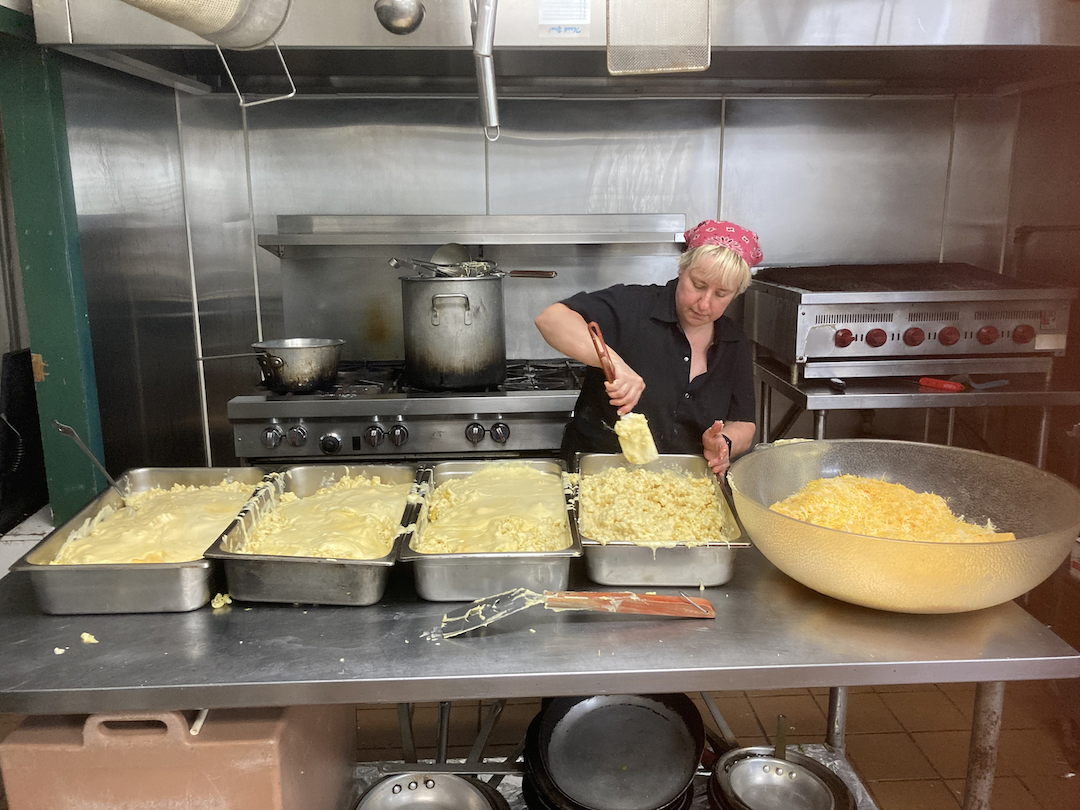
    While it’s hard to imitate Carmen’s finesse, Payne puts up quite the fight, executing her dishes with control and ease. For that night’s mac ‘n’ cheese dinner, Payne stood at the S&C stove mixing 20 pounds of cheese sauce, preparing enough food to feed 100. As she poured the rich, creamy mixture on top of the pasta, she explained how much she hates when the S&C runs out of food.

    Payne is not new to the food industry, and her first job was at Subway. Before her employment at the S&C, Payne worked for Quinnipiac University’s catering department. She found the S&C position advertised on Indeed last April, and the application included a “chef test,” where Payne was tasked with cooking one vegetarian and one meat meal for 25 within a budget.

    “I forget if I stayed in budget,” Payne laughed. “But they all seemed to like it.”

    Now at S&C, Payne spoke about her quite unusual trajectory into the food world.

    “I’m one dissertation shy of a PhD in art history,” she said.

    At the University of Austin, she served on Byzantine and Medieval Studies conferences. Although she lost her interest in academia, Payne emphasized that she still enjoys learning in the kitchen, not to mention the weekends off from the S&C.

    Commuting from Guilford, CT, a typical work week for Payne consists of shifts Monday through Thursday, 8:30 a.m. to 6:30 p.m., and three hours for Friday’s smorgasbord lunch.

    There was much to do for the chef upon her arrival that Thursday. The pasta had to bake in the oven, the apples had to be peeled for that night’s apple crisp…and what about prep for tomorrow’s Vietnamese dish? Payne is very thankful though that she doesn’t have to close the kitchen too, a job most chefs in the business are required to do.

    Instead, the S&C stewards—student members of the Alpha Delta Phi—and other students perform that nightly task. Payne expressed her admiration and respect for the work ethic of the stewards. 

    “It’s invigorating to work with students,” Payne said. “And I think they find this work to be a stress reliever. I feed off that energy, and I think they should walk away with something.”

    Daniela Stahle ’25 agreed that working for the S&C is a valuable opportunity for students.

    “I’ve walked away with more technical skills, but also appreciating the value of using my hands,” Stahle said.

    Traditions and Additions

    The S&C has been a presence on campus since the mid-1800s, although it did not adopt its current name until 1878. As a trained historian, Payne appreciates the restaurant’s history.

    “It’s a tradition the University needs to keep around,” Payne said.

    After settling into her first month here, students have much to look forward to now that Payne has gained her sea legs. She’s particularly proud of chickpea and squash vindaloo and overstuffed baked sweet potatoes with jalapeno butter, and will continue sourcing local products in her preparations as the fall season kicks off.

    Payne is excited to prepare food reflective of students’ diverse backgrounds, and the menu for the current week of Monday, Oct. 2 through Thursday, Oct. 5 emphasizes that passion, with German Bratwurst and New Orleans Po’ Boys alongside standard grilled cheeses and pesto pasta dishes.

    Payne explained that preparing one fixed menu item for each meal allows for this sort of deeper exploration, but the sheer quantity of production (such as the 20 pounds of pasta for that night’s mac ‘n’ cheese) can make prepping ahead difficult.

    As she plans for the rest of the semester, Payne is open to suggestions and invites student input. Stahle, who was working nearby, overheard our conversation and recommended arepas.

    “Ooh! Find me a good recipe,” Payne replied.

    With the new chef in place, students seem grateful for the restaurant’s options and the homey, round-table atmosphere this semester.

    “Absolutely goated week,” one student commented on the S&C Instagram post. “My points will never recover from this.”

    Thomas Lyons can be reached at trlyons@wesleyan.edu.

  • Peanut Butter Chocolate Cookies: Recipe by Blake Klein ’26

    Peanut Butter Chocolate Cookies: Recipe by Blake Klein ’26

    c/o Blake Klein
    c/o Blake Klein

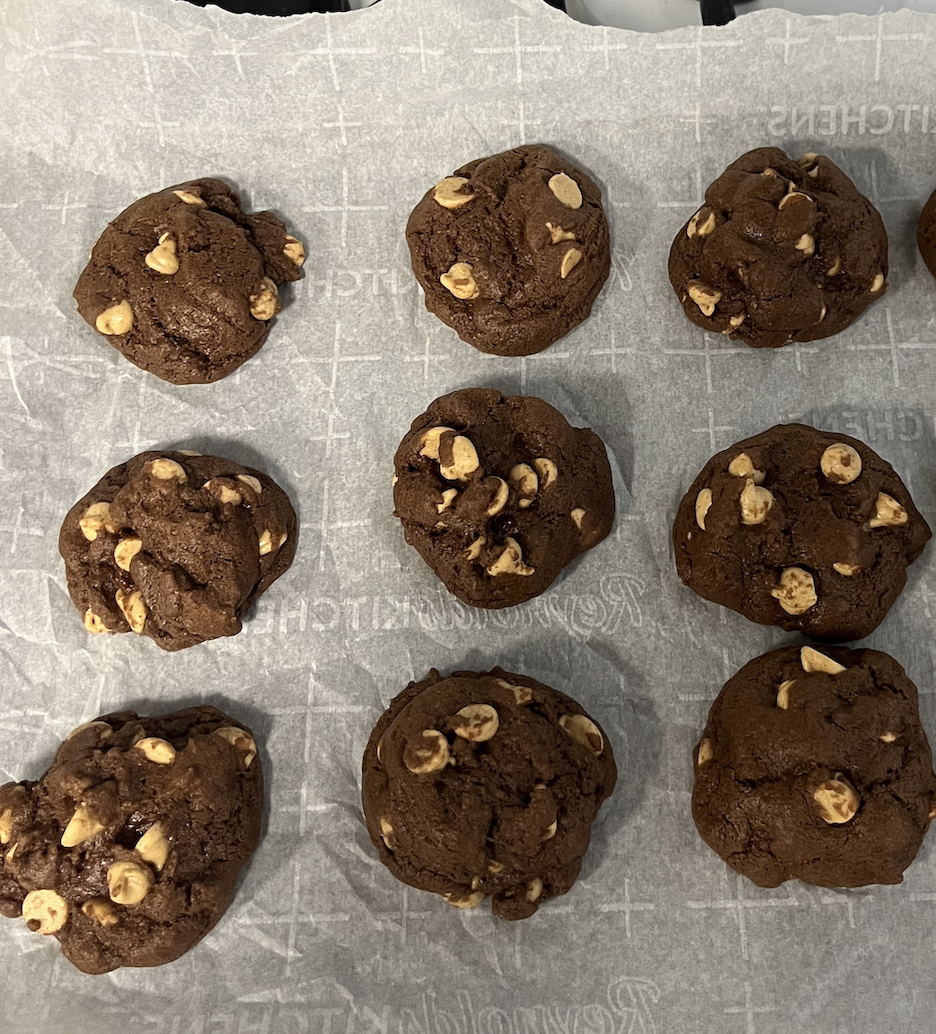
    With the stresses of college overwhelming me nearly every day, I’ve found that baking has been an excellent way for me to unwind and give my mind a break from all the academic and social pressures around me. My newfound Sunday ritual of baking in my lovely Bayit kitchen has helped me stay sane through the first weeks of the semester. Cookies are probably the best desserts to bake in college; they are straightforward and easily shareable, whether you give one to your roommate, friend, professor, or crush. These particular cookies were a big hit at the weekly Monday night College of Social Studies party. They taste like brownies and are crispy on the outside while chewy on the inside.

    Ingredients (Makes around 2–3 dozen)

    • 1 cup white sugar
    • 1/2 cup brown sugar
    • 1 cup (2 sticks) salted butter
    • 2 large eggs
    • 2 teaspoons vanilla extract
    • 2 cups all-purpose flour
    • 2/3 cup unsweetened cocoa powder
    • 3/4 teaspoon baking soda
    • 1/2 teaspoon salt
    • 1 teaspoon instant coffee (optional: brings out more of a chocolate flavor)
    • 10 ounces (one Reese’s Peanut Butter Chips bag) peanut butter chips

    Instructions

    1. Beat sugar and butter in a large bowl together until light and fluffy. Add one egg and beat until combined. Add the second egg, vanilla, and instant coffee and beat in.
    2. Mix flour, cocoa, baking soda, and salt in a bowl until combined. 
    3. Stir the flour mixture into the butter mixture a little at a time. Mix until combined.
    4. Stir in peanut butter chips.
    5. Place batter into the refrigerator. Preheat the oven to 350 degrees Fahrenheit. Keep the cookies in the fridge at least until the oven is preheated. Chilling your dough will allow the fats to cool and prevent the cookies from spreading while baking. It is not necessary but recommended; you can even make a batter and let it chill overnight.
    6. Roll the dough into balls that are about one tablespoon each and place onto a greased cookie sheet or parchment paper. 
    7. Bake for 9–10 minutes, or until edges are set. Cool on baking sheets and then move to a wire rack to completely cool.

    Blake Klein can be reached at bklein@wesleyan.edu.

  • Learning from Dinner at Silo London, the World’s First Zero-Waste Restaurant

    Learning from Dinner at Silo London, the World’s First Zero-Waste Restaurant

    c_o Ethan Geiger SILO
    c/o Ethan Geiger

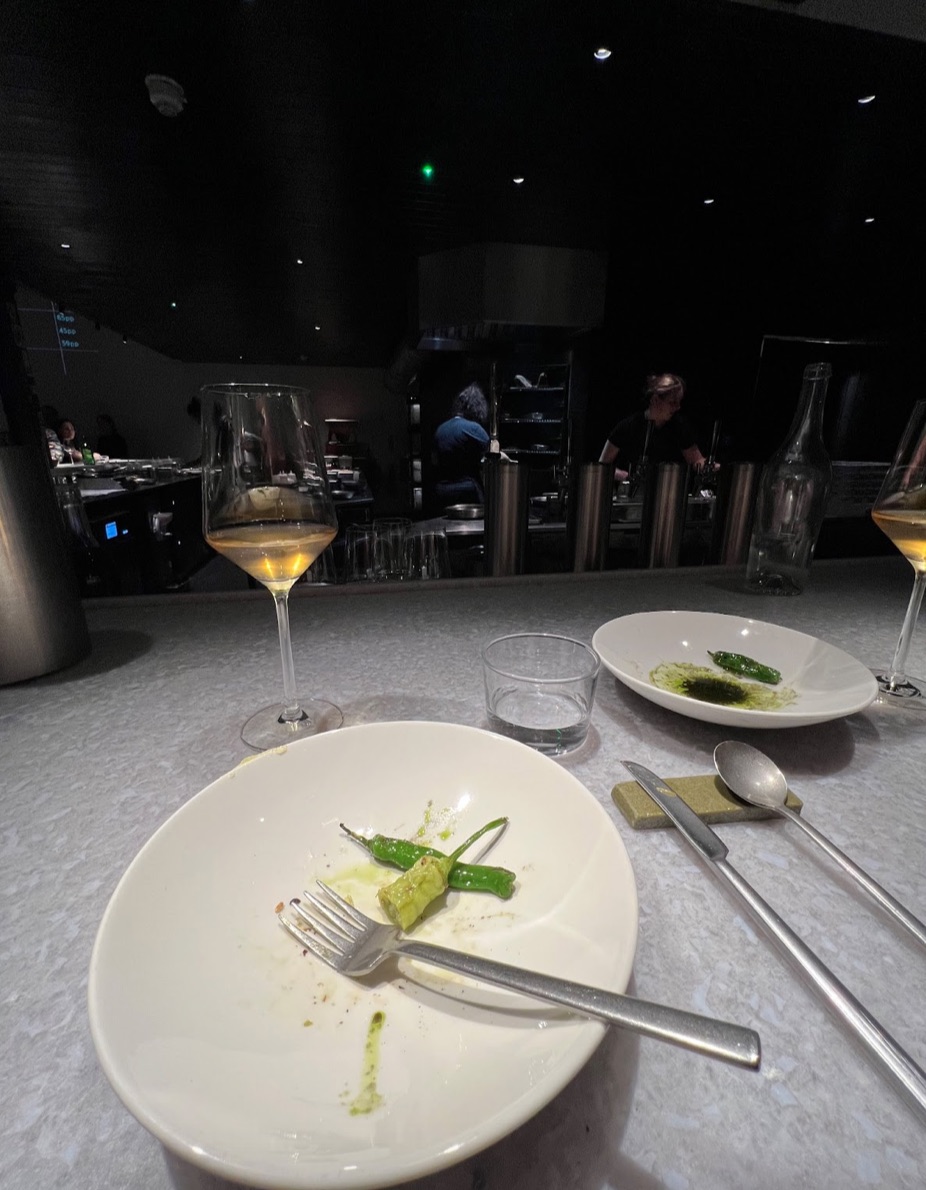
    Last month, to celebrate our one-year anniversary, my partner and I had a lovely dinner at Silo, an intimate restaurant on the second floor of a renovated factory in East London. It was a Wednesday night, so we were able to get two seats at the counter with only a day’s notice. The kitchen, which was entirely visible from the counter, appeared to be mechanically consistent in the dishes they were producing at first glance.

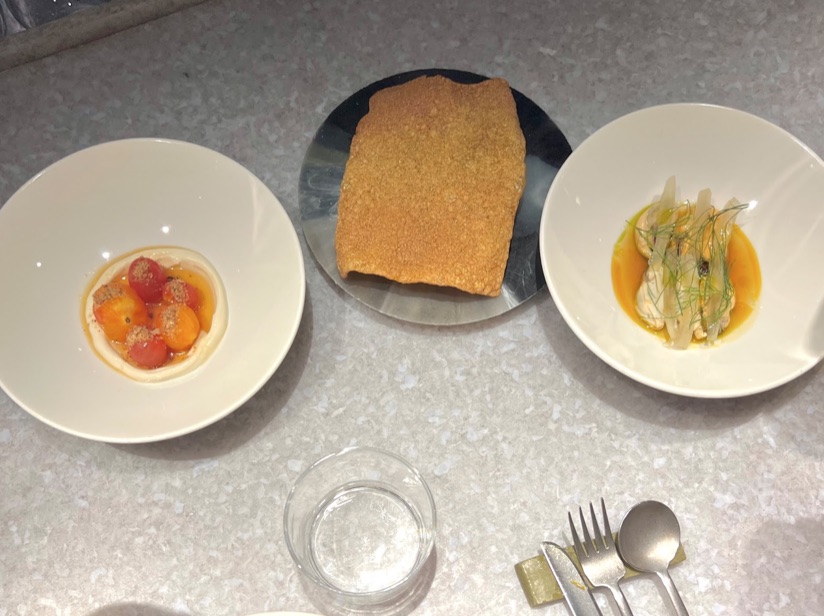
    The restaurant recently switched to a set menu comprising of eleven small dishes in total. As expected from the restaurant’s reviews, the food was amazing. Most of the dishes were made of just a few ingredients; highlights include the mussels with cucumber and fennel, wild rabbit dumplings, and tomato in smoked yogurt.

    One of the perks of a set menu is that the staff can focus entirely on an individual task and make it the best it can be. One of the cooks spent the evening tending to the open-smoker full of various chicken parts, singing along to DeBarge’s “I Like It” alongside her coworker, who focused on pan-frying the Maitake mushrooms. At this point, the staff had been preparing this menu every night for over a month, and that experience was clear in the dishes. Each item was cooked to perfection and plated beautifully.

    But enough about the admittedly fantastic food. Silo’s real claim to fame is its legacy of sustainability. When it opened in 2015 in Brighton, it was the world’s first “zero-waste” restaurant, meaning that every aspect of the dining production produces no trash for the landfill and requires no high-temperature destruction. The food is sourced directly from farmers who use zero-waste techniques and is shipped entirely in reusable containers through emission-free methods. My favorite fun fact from our waiter was that the “pirate” amazake, a fermented rice dish, got its name because the vanilla was imported from Portugal on an old-fashioned pirate ship.

    Sometimes, the zero-waste method involves making food in-house. The first course, the “Siloaf” bread, is milled on-site. Somewhat poetically, the final course, an ice cream sandwich, was breaded in the leftover crumbs from the Siloaf process. Chicken bones are turned into broth, and the Padron peppers are drizzled in a sauce that had been fermenting for six months, made up of the remaining parts of cuttlefish from the winter menu. And, of course, any leftovers that are not reincorporated into a new dish are composted. 

    The “set menu” model is not just beneficial to the quality of the dishes but also the zero-waste mission. There is no risk that one dish will undersell and create extra trash at the end of the night. Silo can predict exactly how much of an item to order, which is ultimately a big key to sustainable dining: the will and ability to plan ahead. The recently renovated restaurant is also made up of mostly recycled materials, including plates made from plastic bags and light fixtures formed from broken wine bottles. Nets on the ceiling hold up thick organic insulation to prevent the use of heating or cooling. When the staff began to clean up at the end of the night, they did so using very little water and no chemical cleaners. 

    c/o Ethan Geiger
    c/o Ethan Geiger

    So what can we learn from Silo’s sustainability model, and how can some of these lessons be applied to an institution like Wesleyan? Silo is a fine dining venue. Dinner is 65 GBP per person ($79.56 at the time of writing), not to mention the wine, which can be anywhere from 42 to 500 GBP per bottle. I figure it’s best to be upfront about exactly how much I paid for this, and also the fact that the dinner was a gift from my parents and I wouldn’t have been able to pay for it myself. Silo’s business model is undoubtedly made possible partly by its high-paying clientele, and some of its more specific techniques are not realistic for those with fewer resources. Yet there is still much that Wesleyan can learn from Silo, firstly because Wesleyan is a well-endowed institution with plenty of students and donors who can afford to eat at places like Silo, and secondly because a movement towards “zero waste” often comes from changes in discipline and mindset. 

    As mentioned earlier, Silo’s success is partly the result of careful planning. Sustainable practices are one thing, but those administering those practices must be organized and consistent with an eye on the future. It also needs to be accessible and easy for the consumer: Eco2Go containers and compost bins don’t matter nearly as much if it is difficult to use them. Sustainable practices can’t just be the morally right choice but should also be the easiest choice. At Silo, you step into the restaurant with relatively little control over what food is in front of you, hopefully understanding that it was harvested and made sustainably. There is no need to browse a menu to determine the most ethically sourced dish. The same goes for cooking practices. Menus should change depending on what foods are in season at that time, and weekly schedules should be based on what ingredients there is a surplus of to decrease what ends up in the trash.

    Wesleyan is notably strong in sourcing its foods from local farmers and producers, a practice that is also key to the Silo model. Bon Appétit (Bon App), the company that runs food services out of Usdan and Summerfields, requires chefs to source at least 20% of their produce from farmers within 150 miles, part of its “Farm to Fork” program, which has existed since 1999. Bon App also commits to sourcing sustainable, humane, and antibiotic-free animal products while always offering vegan options at meal times. Universities should focus on increasing the portion of their produce coming from nearby, sustainable suppliers and encourage other institutions to do the same. 

    If you are in London and have the means and opportunity to do so, I would absolutely recommend a dinner at Silo. The service is fantastic, and the staff are happy to answer any questions about the process behind your meal. The restaurant itself is beautiful: minimalist without sacrificing personality or warmth. Though somewhat less comfortable than the tables, I’d suggest sitting at the counter if you go there on a date. Seeing the chefs working up close is fascinating and can stimulate interesting conversations. I’d suggest ordering the Atelier Kramar 2021 “Primaro” Rebula if you like fruity but subtle skin-contact wines. Afterward, grab a drink at one of the many hipster bars in Hackney Wick and walk along the canal while you digest.


    Silo London: Unit 7, The white building, 1st Floor, c/o CRATE Bar, Unit 7 Queen’s Yard, London E9 5EN, UK

    Price: 65 GBP per person plus drinks


    Ethan Geiger can be reached at egeiger@wesleyan.edu.

  • Five of the Best Places in Middletown To Enjoy Brunch Outside

    As we enjoy the final weeks of warm weather and long, sunny days, while also looking forward to the real fall months of October and November, a great way to soak in the last remnants of summer is to enjoy eating a meal outside with friends. There are a few great options for this in Middletown, especially when it comes to the plethora of brunch options that have popped up over the years.

    Neon Deli

    c/o Herb Evens
    c/o Herb Evens

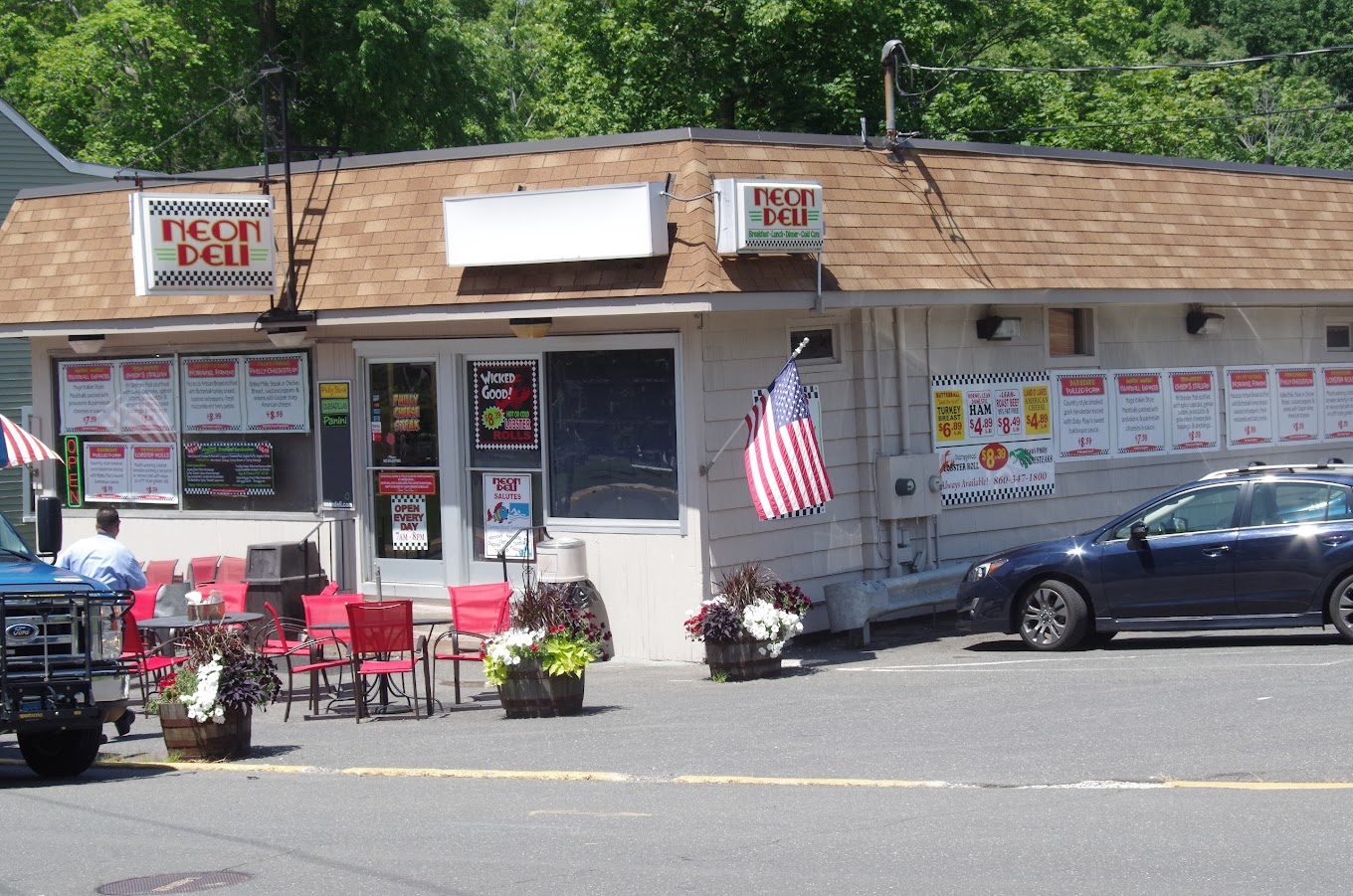
    This Middletown staple, self-branded as a “New York-style delicatessen,” has been serving Wesleyan students for many years. They offer a startling variety of sandwiches, including heroes, paninis, and even lobster rolls, but the real go-to’s are the sizable, economically priced egg sandwiches. They come with your choice of breakfast meat (Jersey pork roll included) and are the perfect choice when you’re looking for a filling breakfast outside the realm of Swings or Usdan but still close by. These sandwiches are best enjoyed at the gaggle of red tables outside of Neon Deli, allowing you to soak up some sunlight while the gym rats walk past Freeman Athletic Center on a Saturday morning. The tables, most of which are sun-protected by a few large umbrellas, don’t offer an especially tranquil dining experience due to traffic and passersby but are a safe bet for a fall breakfast date nonetheless. 

    Sweet Harmony Cafe and Bakery

    Sweet Harmony is another cafe suitable for a weekend morning meal or coffee, but like Perk on Main it is located on the shadier side of Main Street closer to the river. Their seating area is surrounded by planters of flowers and bushes, creating a pleasant environment. Sweet Harmony is less crowded than other spots on Main Street, offering a quieter dining experience. Sweet Harmony’s display case is less polished than Perk on Main, but their pastries, muffins, cookies, other sweet treats, and lattes are nevertheless highly regarded.

    Brew Bakers

    On a mostly empty Main Street, not too early on a Sunday morning, the chatter of small groups seated outside Brew Bakers can be heard and seen from quite far away. The outdoor seating area in front of the cafe and around the side is dappled in warm September sunlight, and the tall trees across the sidewalk, potted plants, and green umbrellas by the tables create a wonderful ambiance even right by the wide street. Families and older couples can be seen enjoying iced coffees and breakfast sandwiches along with the fresh air and bright sunshine. This cafe has an expansive menu that seems to have something that will please everyone: They serve an assortment of breakfast staples including bagels, eggs, pastries, and smoothies, as well as sandwiches, burgers, and salads for lunch. The bagels are freshly made, the drink options will fit the bill for any type of morning, and the vibe on a sunny day will make everything taste that much better.  

    Perk on Main

    Perk on Main serves similar breakfast and brunch options to Brew Bakers, but the interior looks like more of a traditional restaurant than a cafe. The plating is also more sophisticated. They offer outdoor seating, but the area is smaller than Brew Bakers and surrounded by a low fence, and in the morning it is not as sunny and warm. Some highlights of their menu are extensive and creative smoothie and fresh juice selections, and many sweet and savory crepe combinations. 

    c/o Vasila Yordanova
    c/o Vasila Yordanova

    Esca Restaurant

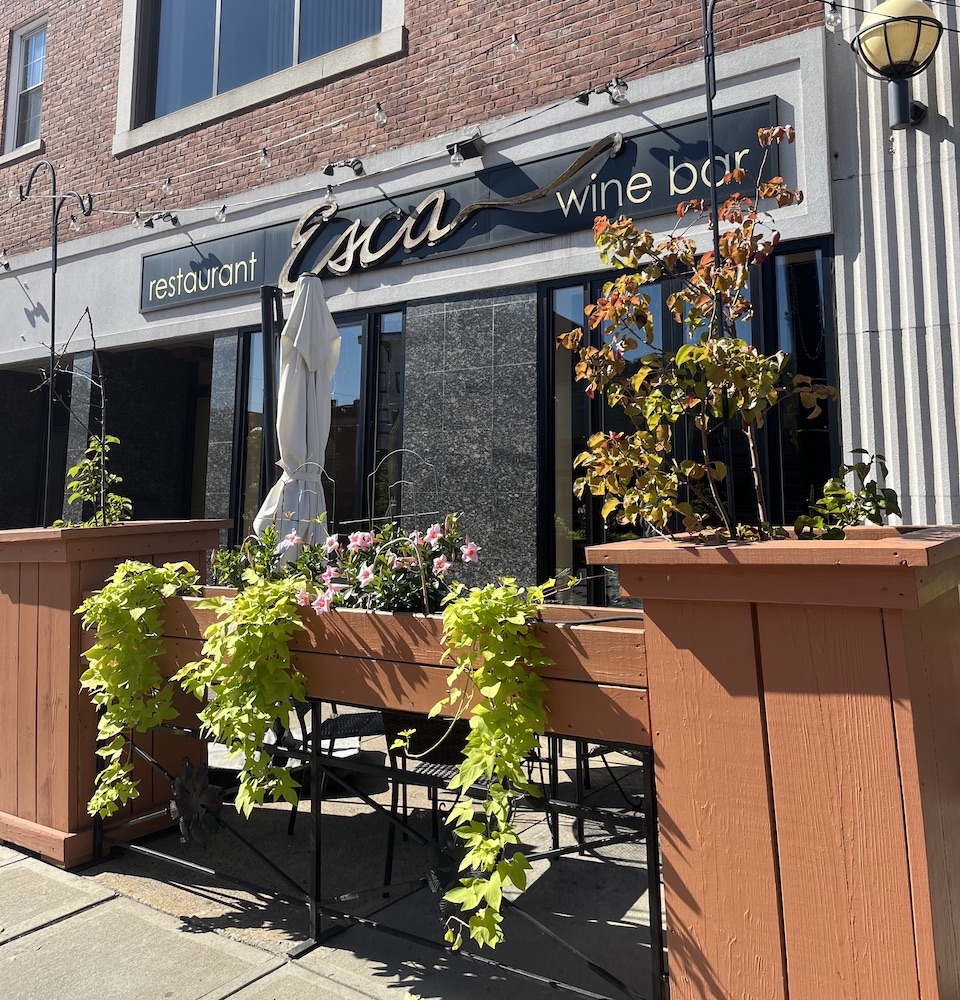
    Esca is the most high-end establishment on this list, although its outdoor seating does not stand out in any meaningful way. Their dinner menu is extensive and relatively sophisticated. Similarly, their Sunday Brunch offers a variety of “Boards” (salumi, verdure, formaggi) as well as Stuffed French Toast, a House Cured Salmon Tartine, and a Lobster Burger. Most of the food offerings are Italian cuisine or adjacent, and the restaurant is also known for its wine and cocktails. 

    Vasilia Yordanova can be reached at vyordanova@wesleyan.edu

  • Sweet Potato Quesadilla: Mixing and Mashing with Thomas Lyons

    My friend recently revealed that he occasionally goes to Summies and purposefully misreads his order number (653 instead of 651, say). On the rare occasion his attempts bear fruit, he’s rewarded with surprise and variety: his first noodle bowl, an ultimate burger, new blends of tastes and textures. If you don’t want to plunge late-night dining into total chaos but still crave some new culinary combinations, read on. I began cooking these sweet potato quesadillas while living in Provincetown a few winters ago, writing for a local newspaper and discovering new meals.

    Ingredients 

    • 1 tablespoon chili powder
    • 3 medium sweet potatoes
    • 1 yellow onion
    • 1 red bell pepper
    • 1 tablespoon cinnamon
    • 1 tablespoon cumin
    • 1 tablespoon smoked paprika
    • 2–3 cloves garlic
    • 6 large flour tortillas
    • 16 ounces black beans
    • 1 cup grated cheese of choice
    • 3 tablespoon olive oil
    • 1 tablespoon butter
    • Salt
    • Pepper

    Instructions 

    • Set your oven to 400 degrees.
    • Cut three sweet potatoes into one-inch chunks in a mixing bowl. Sprinkle with cinnamon, chili powder, cumin, smoked paprika, salt, pepper, and two tablespoons olive oil. Mix the potatoes until fully coated in spice.
    • Put the sweet potatoes in the oven for 15–20 minutes or until they can be easily pierced with a fork.
    • While the potatoes bake, thinly slice onions and bell peppers, and finely chop your garlic.
    • Heat one tablespoon olive oil over medium heat, adding onions and peppers. Salt and sauté until softened for three to four minutes. Add in garlic and cook for another two to three minutes.
    • Take the potatoes out of the oven and mash with a fork.
    • Combine the sautéed vegetables with the sweet potatoes, and stir in black beans. Mix until combined.
    • Take one tortilla and cover one half with the sweet potato. Sprinkle cheese over the top. Fold over the tortilla and stick the two halves together with the cheese.
    • Heat the skillet with butter and place the quesadilla in the pan to crisp. Remove when the tortilla is golden brown and the cheese is melted.

    Thomas Lyons can be reached at tlyons@wesleyan.edu.

  • An Ode to the Grill

    Neat rows divided by tar-black metal beams. An Olympic-style pool if the swimmers lived in hell, lapping through the fiery lanes at Satan’s YMCA. I turn the gas on, and the valve rises from a propane tank. I think of the joys of a party store, the giddy anticipation before helium balloon inflation—a ready-to-pop “6” glittering and pink under the store’s fluorescent lights. I scrub the leftover soot from the surface, hoping the act can wipe away all my psychic debris with it. “Sweee, sweee,” go the ashen bristles.

    Apply grease. 

    Ignition on. 

    Dial up the heat. 

    Close the top 

    and you’re off!

    Primal immediacy. Try to think of the last time you felt it coursing through your veins, depositing itself in your brain. Your mind comes alive again, awakened from a 9-to-5-induced stupor. A hypnotic daze from the clacking of your computer keys. The licks of smoke that rise remind you:

    YOU ARE NOT AN AUTOMATON 

    THE OFFICE IS NOT YOUR MASTER

    REMEMBER THE HEARTH THAT BORE YOU 

    The next few moments, you would be wise to savor. As you lower the links and succumb to the steak, submit to their solicitations and requests for devotion. If you adjust your eyes, the grill does look like quite the shrine. You can almost picture it being used that way centuries in the future. When past customs have been annihilated and post-apocalyptic humans repurpose the vestiges of our time. 

    No matter. No need to think of times to come. At least not now, as the pork fat makes its first contact with the flame beneath it, “PSSSSTT,” the scent whispers sweet nothings in your ears. A smell so beautiful you can see it. Almost as well as your first love’s upper lip, the curvature of your grandmother’s hand stirred chicken soup. 

    A trance befalls you. The grill is a conduit of nostalgia; after all, you can almost see the figures of your past and present dancing atop the flames. Watch the past guide the present through the heat—a father with a child on his feet. 

    It’s a tender line, one you can cross with a second’s notice, between charred and burnt. A mastery of sorts, accumulating debris but not too much. One step too far and needed depth becomes an unsavory weight. Grilling is a practice in moderation, from low and slow to hot and fast. The movement of the meat around the grill top is a delicate affair. Each cut asks something different of you with each arising moment.

    I want more from you. 

    I need some space.

    Maybe we’re due for a break?

    If you’re cooking for a crowd, the affair complicates further. Your brother wants his steak rare, but your mother-in-law calls for an infuriating “well done, dear.” There are seven burgers to flip, and the hot dogs fall through the grates.  Sweat pools on your forehead like the condensation on the beer bottle someone’s uncle left unattended. The heat slaps your face with renewed vigor. It’s at this moment you might doubt your quest, wish you had not resigned yourself to the whims of the elemental. But if you stop now, you might threaten every law of evolution. If you stop now, you are cursing centuries, nay millennia, of your ancestors. Think of sacrifices made so you could spend your days at a modestly regarded corporation! DO NOT LET THEM DOWN! 

    Remove meat. 

    Dial down the heat. 

    Ignition off. 

    Carry the bounty

    towards the sound of applause.


    Gemmarosa Ryan can be reached at gryan@wesleyan.edu.

  • A Flavor of Campus Dining

    A Flavor of Campus Dining

    c/o fipconstruction.com
    c/o fipconstruction.com

    Campus Dining in a Nutshell

    As we all acclimate back to the Wesleyan campus lifestyle and find ourselves sarcastically exclaiming to our friends in Usdan, “Ah, I missed Mongolian stir fry,” I thought I’d throw my own two cents into the mix. Now, I definitely am not the premier food authority on this campus, but as the editor of the Food Section, I deserve to have and publish my opinions and overviews of all the different dining options that our campus offers. 

    Usdan:

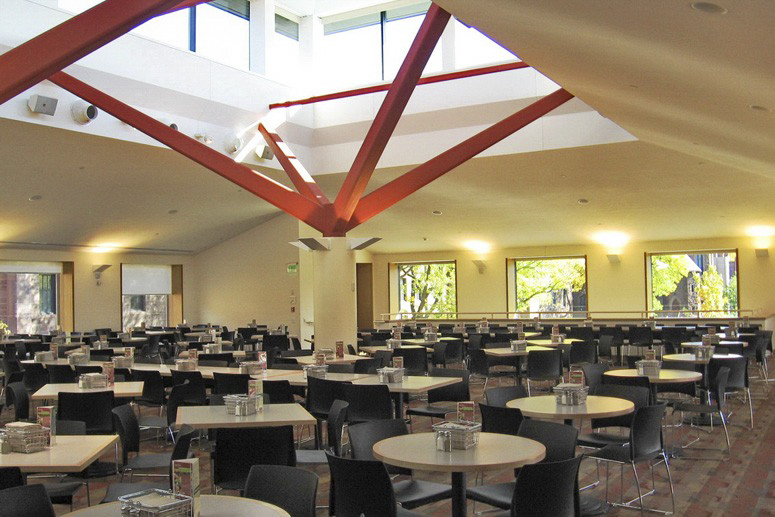
    The one meal that has never failed to excite me in my four years at Wesleyan is the Thursday-night bacon, egg, and cheese sandwiches from our beloved main dining hall. Others might have their own unexplainable weekly favorites, like Wednesday’s grilled cheese or Monday’s performance bowls (rumored to enhance performance in any single field by 200%). I never really hear people talking about Fish Fridays, but then again, what makes this “fresh fish of the day” any different than Swings salmon? Usdan is bound to fill up your stomach expeditiously, and the overarching flavor that finds its way into every dish could be seen as suspicious. Still, it’s loyal, filled with your friends, and offers a surprising variety of dishes, especially during lunch. 

    Summies: 

    Before I start, I need to let everyone know that the turkey-chipotle avocado is gone, and in its stead is a turkey Cuban sandwich! I have neglected my duties as a thorough food reviewer and have not tried it yet, but the thought of a new item itself is exciting enough. For Butts first years, Summies is a necessity that can’t be overly relied upon, as one will risk complete disillusionment halfway through the semester. It’s a back-and-forth battle. For upperclassmen, going to Summies is like meeting up with an old friend after years and years: you’re astonished to see them again but then realize it’s for the better that you parted ways. Overall, the late-night breakfast burrito hits the sweet spot of Saturday night craving, the salad-in-a-wrap hack emboldens Summies veterans, and the burgers are always above average. 

    Swings: 

    Complete with all the American classics and some surprisingly innovative specials, this 30+ year Wesleyan institution is appreciated by all (but especially by the athletic side of campus). During lunch hours, many find their perfect sandwich combination through the well-stocked Swings sandwich station or enjoy innovations like the birria tacos or clam po’ boys. Dinner gives way to classic pasta dishes like pesto penne or the infamous grilled salmon dinner. And if you want a hearty brunch on the weekend, the breakfast pail stuffed to the brim with hash browns, eggs, and breakfast meat will hit the spot. Swings is an institution above all else, unchanging in its college food that still fits the Wesleyan archetype, with falafel, seitan, and tofu available to substitute in most dishes. The fresh fries are addictive, the booths are cozy, and you will miss it all in some way when you go home over winter break. 

    (Chef G Secret Menu Item: If tuna doesn’t make you queasy, you can ask for a tuna melt any time, any day. Simply modify your grilled cheese! Ask for it on rye with cheddar, tomato, and tuna.)

    Red and Black:

    Opened by Swings’ owners about a decade after the original restaurant, this café-style restaurant is only open for breakfast and lunch and offers many similar items to Swings with a few twists. First, specials reside almost solely in the sandwich department, with grilled cheese variations reigning supreme and egg dishes making occasional appearances. Delicious smoothies are offered, with a necessary build-your-own option, something the recently opened athletic center mini-café has yet to include in its equally pleasing smoothie menu. Red and Black is a bit farther off campus but is still a great place to get some work done with a coffee. (There are daily drink specials.) Another fan favorite is the cold peanut noodles (which are really just streamlined Swings Wednesday night soba).

    Story and Soil:

    To the dismay of many early risers and breakfast lovers, Story and Soil’s delicious selection of breakfast sandwiches, bagels, and burritos has only been available after 11 a.m. for the first couple weeks of school. However, this is subject to change as Wesleyan’s premier higher-end café enters its third year of operation. The sandwiches/burritos are small in size but bold in flavor, with gourmet combinations like smoked chicken salad and espresso BBQ sauce, or chorizo, black beans, and aioli. Coffee or tea lovers can up their game with a Spanish Latte or a Golden Milk, as seasonal specials also find their way into the rotation. Story and Soil feel like an off-campus restaurant, making it all the more exciting that it accepts points; it’s a nice way to treat yourself on the weekend without spending real money. 

    Star and Crescent:

    This “student eating club” is the best way to feast on homemade but upscale family-style dishes without actually having to cook yourself. Like Story and Soil, it’ll break a first year’s budget of points, but it’ll be well worth it. Star and Crescent operates like a pop-up: It only offers dinner on Mondays and lunch and dinner Tuesday through Thursday, with a singular dish for each meal along with a freshly made dessert (Friday lunch is an all-you-can-eat buffet of leftovers). The extra care necessary to create 200 plates of Korean beef salad or a curried lentil soup with flatbread means that you must settle for whatever they offer. But it’s never settling since Star and Crescent has been known to leave you licking your plate and praying your lunch date will return with you next week. Eating in the ADP dining room, too, is a calming change from the hustle and bustle of Usdan, as is being waited on…albeit by your friends.  

    Note to the wise: On nights with salmon, you should arrive at 5:15 p.m. if you want a spot at 6:00 p.m. It’s a drop akin to the iPhone in 2007.

    Usdan Café and Pi

    For those amongst us who need their stomachs filled without the frill of lunchtime social hour, Usdan Café and Pi are the places to go. Pi has pseudo-frappuccinos and smoothies, recalling memories of middle school Jamba Juice and Starbucks outings. For those who prefer their food solid, the bagels at Pi are a favorite, and Usdan Café has an ever-expanding range of sushi, salads, wraps, and charcuterie boxes (Lunchables). Pi can always turn into more of a social outing, but the Café is perfect for the quickest grab-and-go on campus.

    Lewis Woloch can be reached at lwoloch@wesleyan.edu

  • Chicken Thighs with Picatta-ish Couscous: Cooking with Chef G

    Chicken Thighs with Picatta-ish Couscous: Cooking with Chef G

    c_oGemma Ryan
    c/o Gemma Ryan

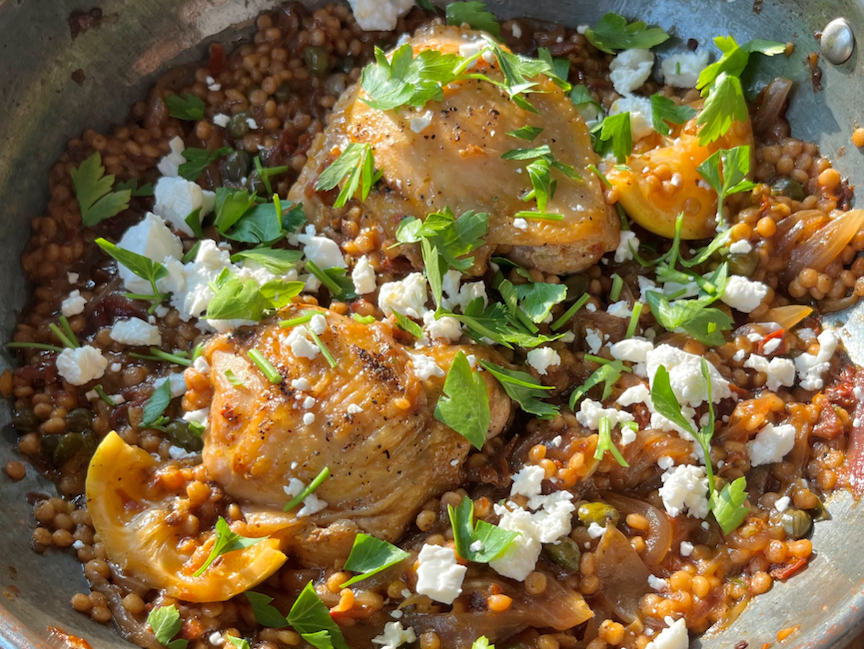
    It brings me such joy when all that is needed to make a delicious meal is one singular pan. The clouds part and angelic music streams from the heavens as I triumphantly approach the sink with minimal carnage. I wash happily under the lingering smell of tomato paste, capers, and onion baptized in chicken fat and confirmed in lemon. The couscous is a holy vessel for their communion. I cannot promise this chicken will absolve you of your sins, but it surely puts up a fight.

    Ingredients

    Serves 4

    • 4 bone-in, skin-on chicken thighs
    • 1 cup pearled couscous (if you can’t find pearled couscous, sub for orzo)
    • 1/2 lemon
    • 1 tbsp capers
    • 1 tbsp caper brine
    • 1 tbsp tomato paste
    • ½ large red onion
    • 2 cloves garlic
    • 1/2 block feta
    • 2 cups chicken broth
    • Olive oil
    • Salt & pepper

    Instructions

    1. Heat 1 tbsp olive oil in a skillet over medium heat. Once hot, add in chicken thighs skin-side down. Cook for about four minutes, flipping when the skin becomes golden brown, releasing without force from the bottom of the pan. Cook for three more minutes and then transfer to a plate (don’t worry about cooking it all the way through. It will finish cooking with the couscous later).
    2. Drain about 1 tbsp of the chicken fat, leaving a generous but non-excessive coating on the pan. Reduce your heat to medium-low and add the thinly sliced red onion, salting and cooking for about five minutes until jammy and slightly browning around the edges.
    3. Mince garlic and add to the onions, tomato paste, and red pepper flakes. Let the paste toast for two minutes until brick red.
    4. Deglaze the pan with 1 tbsp of caper brine and a squeeze of lemon juice. Let the liquid cook off, around one to two minutes. 
    5. Turn the heat back to medium and add in your couscous and capers. Stir to coat and let toast slightly for two minutes.
    6. Add in your chicken stock and the rind of the lemon you squeezed earlier. Bring the stock to a boil.
    7. Once boiling, reduce to a simmer. Nestle the chicken amid the couscous and cook for about 15 minutes until it has absorbed its cooking liquid and is cooked through. If needed, add more broth or water if the mixture looks dry and the couscous is still al dente.
    8. Crumble over some feta, parsley, and a squeeze of lemon.

    Gemmarosa Ryan can be reached at gryan@wesleyan.edu.